
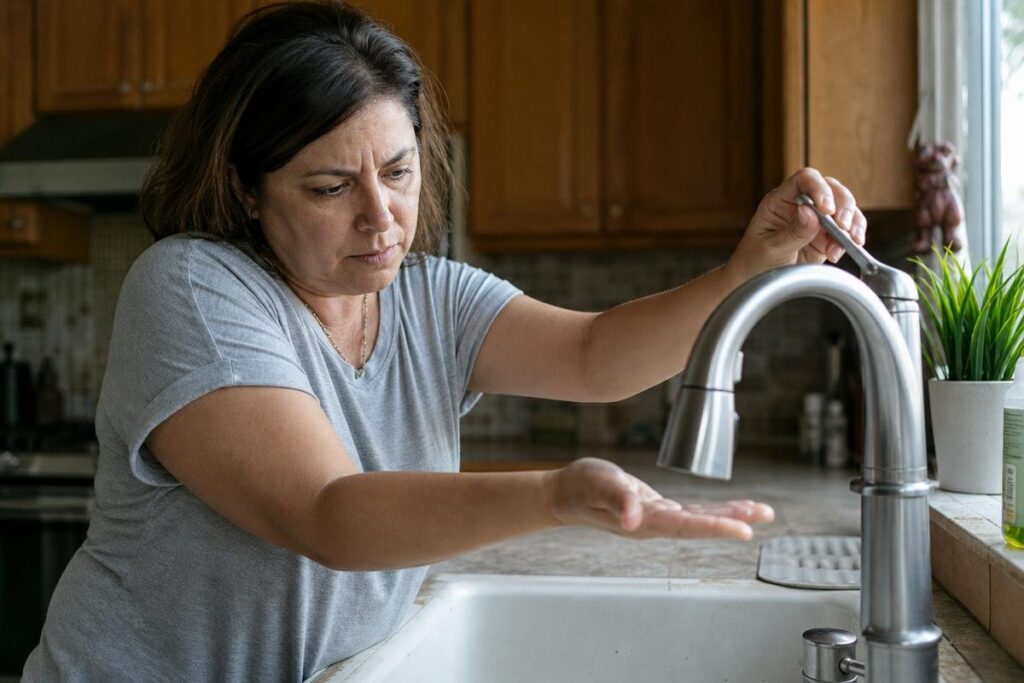
You turn on the shower and the water barely trickles out. You run the hose to water the yard and the kitchen faucet slows to a crawl. If you’ve been wondering why does water pressure drop in house during summer, you’re not alone. Oxnard homeowners deal with this every year, especially as peak summer irrigation demand climbs across Ventura County.
We’re based right here at 301 Todd Ct in Oxnard, and we’ll walk you through the most common causes and what you can do about them. Low water pressure making home life harder than it should be? Our team can help you find the fix fast.
Key Takeaways
- Summer irrigation demand across Ventura County is one of the most common reasons water pressure drops in your house.
- Aging galvanized pipes in many Oxnard homes built before 1990 restrict flow and make low pressure worse over time.
- A failing pressure regulator is a frequent cause of sudden pressure drops and is a straightforward repair for a licensed plumber.
- Mineral buildup from Ventura County’s hard water supply narrows pipes gradually, reducing flow at fixtures throughout the home.
- Acting early on low pressure issues can save you money and prevent more serious plumbing damage down the road.
We’ll walk through the most common causes of summer pressure drops, how to tell if the problem is inside your home or coming from the city supply, and what steps you can actually take. Some fixes are simple enough to handle yourself. Others need a licensed plumber before a minor restriction turns into a full repipe. Since founding Pacific Aire Home Services, our team has diagnosed these pressure complaints in homes throughout Oxnard, and the causes follow familiar patterns once you know where to look.
Summers along the Oxnard coast run warm and dry, and outdoor water use spikes from late spring through the hottest weeks of the year. When every household on the block runs sprinklers, fills pools, or washes cars at roughly the same time, that surge puts real stress on both municipal supply lines and the plumbing inside your home.
Low water pressure in summer is common here, but Oxnard’s older housing stock and hard, mineral-heavy supply mean it often signals something worth checking rather than something to shrug off.
What Actually Causes Water Pressure to Drop in Hot Weather?
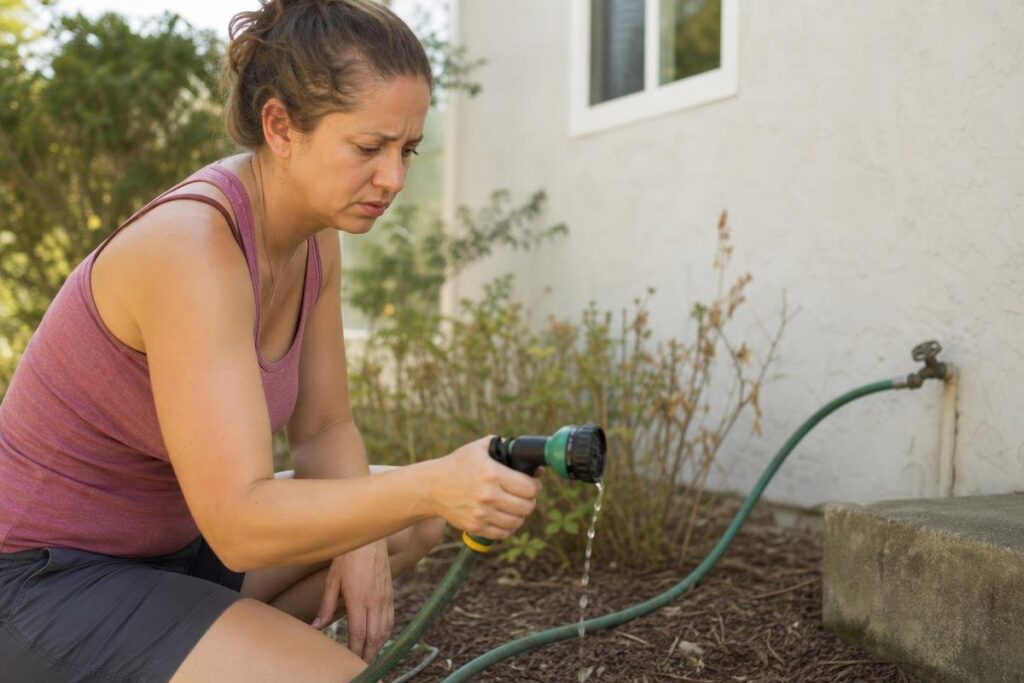
There are three main reasons why pressure fades during a heat wave, and they work against your home in different ways. Knowing which one is hitting your house helps you figure out whether to wait it out or call a plumber.
Increased Neighborhood Demand on the Municipal Supply
Municipal water systems are built to handle average daily demand, not peak summer load. During midsummer, whole neighborhoods across Oxnard and neighboring Port Hueneme run irrigation systems, fill pools, and wash cars at the same time. That surge pulls more water from the same supply lines that feed your house.
The pattern is predictable. If your pressure drops sharply in the early morning or evening, right when irrigation timers kick on across the block, the municipal system is almost certainly the first place to look. This is a shared infrastructure problem, not a problem with your home’s plumbing.
Thermal Expansion in Pipes
Heat causes pipes to expand. In newer plumbing with clean, tight fittings, that expansion is minor. But in older homes with corroded joints or fittings that have already narrowed from years of use, expansion squeezes the opening further and slows flow. Think of it like a garden hose that gets kinked near the spigot. The pipe itself does not collapse, but the restriction at a weak point is enough to cut pressure at your fixtures.
Homes built from the 1960s through the 1980s are especially vulnerable here. Galvanized steel pipes that are now 40 to 60 years old have had decades to corrode at the joints, and summer heat makes those problem spots worse.
Mineral Buildup and Scale Accelerated by Heat
Water supplied through Calleguas Municipal Water District carries elevated levels of calcium and magnesium. When water temperature rises, those minerals precipitate out of solution faster and stick to the inside of your pipes. Over time, that layer of scale narrows the pipe bore and reduces flow at every fixture in the house.
This is a slower process than the other two causes, but it compounds. A pipe that was already partially scaled last year is narrower now. If you have noticed a gradual drop in pressure over several seasons rather than a sudden change, mineral buildup is likely a contributing factor. Avoiding common plumbing problems early, including regular pipe inspections, can slow this process before it becomes a costly repair.
Is Low Water Pressure in Summer Normal, or Is Something Wrong?
A slight dip in water pressure during summer is normal. Oxnard’s supply sees higher demand through the warmest months as irrigation systems run and households use more water. But a significant drop, pressure that affects only certain faucets, or discolored water coming out of your taps means something inside your home needs attention.
When It’s the City Supply
City supply issues tend to affect the whole neighborhood at once. If your neighbors are noticing the same thing, it’s likely not your plumbing. A few signs that point to the municipal side:
- Pressure drops happen at predictable times, like early morning irrigation windows or holiday weekends
- The whole house loses pressure at the same time, not just one fixture
- Pressure returns to normal within an hour or two
- Neighbors on your street report the same problem
If this sounds familiar, call your water provider directly. The City of Oxnard and Calleguas Municipal Water District both field questions about summer pressure schedules and planned maintenance windows. A quick call can save you an unnecessary service visit.
When the Problem Is Inside Your Home
Low water pressure that stays low all day, or only shows up at certain fixtures, usually points to a plumbing issue. Watch for these signs:
- Pressure is low at one or two faucets but fine elsewhere
- Pressure has been gradually declining over several weeks
- You notice discolored or rust-tinted water at the tap
- You hear banging or hissing sounds inside the walls
- Pressure drops unpredictably, even when no one else is running water
One common culprit is a failing pressure regulator valve. Your PRV reduces incoming street pressure to a safe household level, typically between 45 and 80 PSI. Summer heat and demand swings can push a marginal PRV into failure, causing pressure that crashes or spikes without warning. That’s a repair call, not a city problem.
Mineral buildup and thermal expansion, covered in the previous section, can make any of these symptoms worse. If you’re seeing multiple signs from the list above, avoiding a bigger plumbing disaster starts with getting it diagnosed before summer demand peaks.
Not sure if it’s your pipes or the city supply? We can test your pressure at the meter and at your fixtures in one visit and tell you exactly where the restriction is. Call (805) 919-8767 to book it.
Common Plumbing Problems That Make Low Pressure Worse in Summer
Summer heat does not create plumbing problems on its own. It exposes the ones already hiding in your system. If you are already dealing with low water pressure, these four issues are the most common reasons a home’s pressure gets noticeably worse once temperatures climb.
Corroded or Aging Pipes
Homes in Oxnard’s older tracts, including many built before the 1980s near downtown and the harbor district, often still have original galvanized steel supply lines. These pipes corrode from the inside out over decades, narrowing the interior diameter and restricting flow. Mineral buildup from the local supply accelerates the process.
Watch for these signs:
- Low pressure at every fixture in the house, not just one
- Discolored water with a rust or brown tint when you first turn on a tap
- Visible rust or flaking at exposed pipe sections near the water heater or shutoff
If you are seeing these symptoms together, the long-term fix is repiping with copper or PEX. Patching corroded galvanized pipe is a short-term answer that often leads to unexpected plumbing failures in your home.
Clogged Aerators and Showerheads
This is the easiest low water pressure cause to fix yourself. Higher summer water use pushes more sediment through the system, and that sediment collects in aerators and showerhead screens. If pressure is low at one fixture but fine everywhere else, start here. Remove the aerator, soak it in white vinegar for 30 minutes, rinse it, and reinstall. If pressure comes back immediately, you found your problem.
Failing Pressure Regulator Valves
Your pressure regulator valve (PRV) sits where the main water line enters the house. It controls incoming pressure so your pipes and fixtures are not overwhelmed. Most PRVs last 10 to 15 years before they start to fail.
A failing PRV can push pressure below 40 PSI or spike it above 80 PSI. Day to day, it feels like inconsistent pressure that changes without any obvious reason. Pick up an inexpensive pressure gauge at any hardware store and test the hose bib nearest your shutoff. If the reading is outside the 45 to 75 PSI range, the PRV likely needs replacement.
Outdoor Water Use Competing With Indoor Fixtures
Yes, running your sprinklers can absolutely drop your shower pressure. In neighborhoods with larger landscaped lots around Oxnard and the surrounding coastal plain, irrigation systems draw a significant share of household flow. Filling a pool or washing a car at the same time compounds the problem.
Practical fix: program your irrigation controller to run in the early morning, before peak household use begins. Make sure irrigation cycles do not overlap with morning shower times. This one scheduling change can noticeably improve indoor pressure without any repairs at all.
How to Diagnose Low Water Pressure in Your House Step by Step
If you’re wondering why is my water pressure low, the good news is you can narrow down the cause yourself before calling anyone. Follow these four steps in order.
Step 1: Isolate Whether the Problem Is One Fixture or the Whole House
Turn on faucets in two or three different rooms. If pressure is weak at just one sink or showerhead, the problem is local. A clogged aerator or mineral-crusted showerhead is usually the fix. If every fixture in the house is affected, the problem is upstream: your pressure regulator, main line, or municipal supply.
Step 2: Test Your Household PSI With a Pressure Gauge
A pressure gauge costs under $15 at any hardware store and threads onto an outdoor hose bib. Normal household pressure runs between 45 and 80 PSI. Below 40 PSI is low. Above 80 PSI can damage appliances over time. Test at different times of day. Pressure that drops sharply in the morning or evening points to high neighborhood demand pulling from the same municipal supply.
Step 3: Check the Main Shut-Off Valve and Pressure Regulator
Make sure the main shut-off valve is fully open. A partially closed valve is one of the most common low water pressure causes, especially after recent plumbing work. The pressure regulator (PRV) is typically a bell-shaped fitting on the main line near the shut-off. In older Oxnard homes, these valves are often original equipment from the 1970s.
Look for corrosion, mineral buildup around the fittings, or visible weeping. Any of those signs means the PRV likely needs replacement.
Step 4: Walk the House and Look for Leaks
Check under every sink, around the water heater, and along any visible pipe runs. A slow leak anywhere in the supply system bleeds pressure throughout the house. Signs of a hidden leak include soft flooring near walls, damp drywall, or an unexplained spike in your water bill. Good habits here also help with protecting your home’s pipes year-round, not just in summer.
If these steps do not point to a clear cause, it is time to call a licensed plumber. Some low water pressure causes and fixes require pressure testing equipment and eyes on the pipe runs inside your walls.
Not sure what you found? Our team can run a full pressure diagnostic and tell you exactly what is going on. Call us at (805) 919-8767 to schedule a visit.
When Low Water Pressure Is a Sign of a Bigger Problem
Sometimes low pressure is not just a summer nuisance. It is a warning sign. A few specific causes point to serious damage that gets worse the longer you wait. Acting early can save you money and stress. A small problem caught now is far less expensive than water damage or foundation repairs later.
Hidden Slab Leaks
Many Oxnard homes, including much of the housing built during the postwar expansion, sit on concrete slabs. When a supply line under that slab develops a leak, whole-house pressure drops noticeably. The water has somewhere else to go, so your fixtures suffer.
Watch for these signs:
- Warm or wet spots on the floor with no obvious cause
- The sound of running water when every fixture is off
- An unexplained spike in your water bill
- New cracks in flooring or walls
Slab leaks require professional acoustic leak detection equipment. This is not a DIY fix. Left alone, a slab leak can cause serious foundation damage and mold growth inside the walls.
Main Line Damage or Tree Root Intrusion
The supply line running from the water meter to your home can be damaged by ground movement, corrosion, or root intrusion. Southern California’s seismically active soil shifts over time, stressing buried pipes. Mature eucalyptus and ficus trees, extremely common in older Oxnard neighborhoods, have aggressive root systems that frequently find their way into supply lines.
Signs of main line trouble include low whole-house pressure, wet patches in the yard with no irrigation explanation, and a water meter that keeps spinning after all fixtures are off. A licensed plumber with camera inspection equipment can confirm the cause without unnecessary digging.
Water Heater Sediment and Pressure Loss
If your hot water pressure is noticeably lower than your cold, the water heater is likely the culprit. Hard water common throughout this stretch of coastal Southern California accelerates sediment buildup inside the tank. That buildup restricts flow on the hot side only.
Check out our guide on whether it’s time to flush your water heater, or review the signs it may be time for a water heater replacement if the problem has gone on for a while. These are among the most common summer plumbing problems we see, and they are exactly why understanding why water pressure drops in house matters before damage sets in.
How Ventura Homeowners Can Prevent Summer Pressure Problems
The best time to deal with low water pressure in summer is before summer arrives. A few proactive steps in spring can save you from cold showers, weak hose pressure, and costly emergency calls during the hottest months of the year.
Schedule a Plumbing Inspection Before Peak Summer
Book a plumbing inspection in April or May. That gives a licensed plumber time to test your household PSI, check the pressure regulator valve, look for early-stage mineral buildup, and flag any corroding pipe sections before they become a real problem.
Older Oxnard homes are dealing with the same aging housing stock as much of the coast. If your home was built between the 1960s and 1980s, there is a good chance the original galvanized steel pipes are still in place. That plumbing is now 40 to 60 years old. An inspection tells you exactly where you stand.
Install a Whole-House Water Softener or Filter
Hard water is a real issue across coastal Southern California. The mineral content in the local supply accelerates scale buildup inside pipes, fixtures, and water heaters. A whole-house water softener removes calcium and magnesium before they enter your plumbing, which dramatically slows that buildup over time.
This is one of the most cost-effective long-term investments you can make for your home’s plumbing. It also matters if you use an evaporative cooling system, since hard water affects performance and can even affect improving indoor air quality in your home.
Upgrade Aging Pipes Proactively
If your home has original galvanized steel pipes, a full repiping is worth budgeting for. Copper and PEX are both strong options. PEX is flexible, handles thermal expansion better than rigid metal pipe, and resists scale buildup. Coastal salt air near the Oxnard shoreline and Channel Islands Harbor accelerates corrosion on exposed pipe sections, so older homes in beach-adjacent neighborhoods face this problem faster than most.
Acting early on summer plumbing problems can save you money and stress. If you are not sure where your pipes stand, our plumbing services team can take a look before the season heats up.
Frequently Asked Questions
Why does my water pressure drop only in the morning?
Most irrigation controllers in the area are set to run between 5 and 8 AM. That overlaps directly with morning showers, which pulls heavy demand from the same supply lines. If your pressure recovers by mid-morning, the municipal supply is likely the cause, not your home’s plumbing. Try staggering your shower time or contacting your water provider about peak-hour schedules.
How do I know if my pressure regulator valve is failing?
Watch for pressure that stays consistently below 40 PSI, spikes above 80 PSI, or swings wildly throughout the day. A chattering or vibrating sound in your pipes when water runs is another clear signal. A licensed plumber can test the valve and replace it in a single visit.
Can my HVAC system affect water pressure?
For most forced-air homes in Southern California, there is no direct connection. The exception is whole-house humidifiers, which draw from your water supply. A stuck-open solenoid valve on a humidifier can bleed pressure steadily. If you have a hydronic heating system, a failing expansion tank or circulator pump can affect pressure in the heating loop. Read more about understanding your home’s HVAC system if you are unsure what type you have.
What PSI is considered low water pressure in a house?
Normal household pressure runs between 45 and 80 PSI. Below 40 PSI, you will notice weak shower flow and slow-filling fixtures. Below 30 PSI, dishwashers and washing machines may not function properly. Test yours with an inexpensive gauge on any outdoor hose bib.
Is low water pressure dangerous for my appliances?
Chronically low pressure shortens the life of washing machines and dishwashers. Tankless water heaters require a minimum inlet pressure, typically around 30 PSI, to fire the burner safely. Running below that threshold causes erratic cycling or ignition failure. If your water heater is acting up alongside low pressure, it is worth checking how to know when your water heater needs attention.
How much does it cost to fix low water pressure?
Cleaning a clogged aerator costs nothing. A PRV replacement runs a few hundred dollars in parts and labor. Full repiping varies depending on home size and pipe run complexity. Get a professional assessment before budgeting for anything beyond the simple fixes.
If you have worked through the steps above and still cannot find the cause, or if you spotted signs of a slab leak, corroded pipes, or a failing PRV, call our team at (805) 919-8767. Pacific Aire Home Services serves communities across the region including Malibu, Moorpark, Port Hueneme, and the surrounding coastal areas.
We can test your household pressure, inspect your PRV and supply lines, and give you a straight answer about what needs fixing and what can wait. Call us at (805) 919-8767 to schedule a visit.
Ready to Get Started with Pacific Aire Home Services?
Call (805) 919-8767 to speak with our team directly. We’re ready to answer your questions, walk you through your options, and help you find the right solution for your needs. Whether you’re just starting to plan or ready to move forward, we’ll make the process simple and stress-free.
Reach out today and let’s talk about how we can help.