If you’ve noticed more dust on your vents, musty smells when the AC kicks on, or allergy symptoms that seem worse indoors, your ducts may be overdue for a look. Camarillo homes deal with real air quality challenges, from spring pollen blowing in off the Oxnard Plain to Santa Ana wind events pushing fine particulates through every gap in your home’s envelope.
Pacific Aire Home Services is based in Ventura County, just up the road at 301 Todd Ct, Oxnard, California, 93030, and we regularly serve Camarillo homeowners looking for cleaner air and better airflow with professional air duct cleaning. Our team is ready to help you too. Ready to breathe easier at home? Schedule your duct inspection today.
Key Takeaways
- Air duct cleaning removes dust, pollen, and debris that reduce the air quality in your home and lower HVAC efficiency.
- Camarillo’s seasonal wind events and marine layer conditions make duct contamination more common here than in drier inland areas.
- Older ranch-style homes and properties with flexible ductwork are especially prone to buildup and should be inspected regularly.
- Dryer vent cleaning is often done at the same time and reduces a real fire hazard in your home.
- Acting early on dirty ducts can save you money on energy bills and prevent bigger HVAC problems down the road.
Why Your Ducts Might Be Dirtier Than You Think
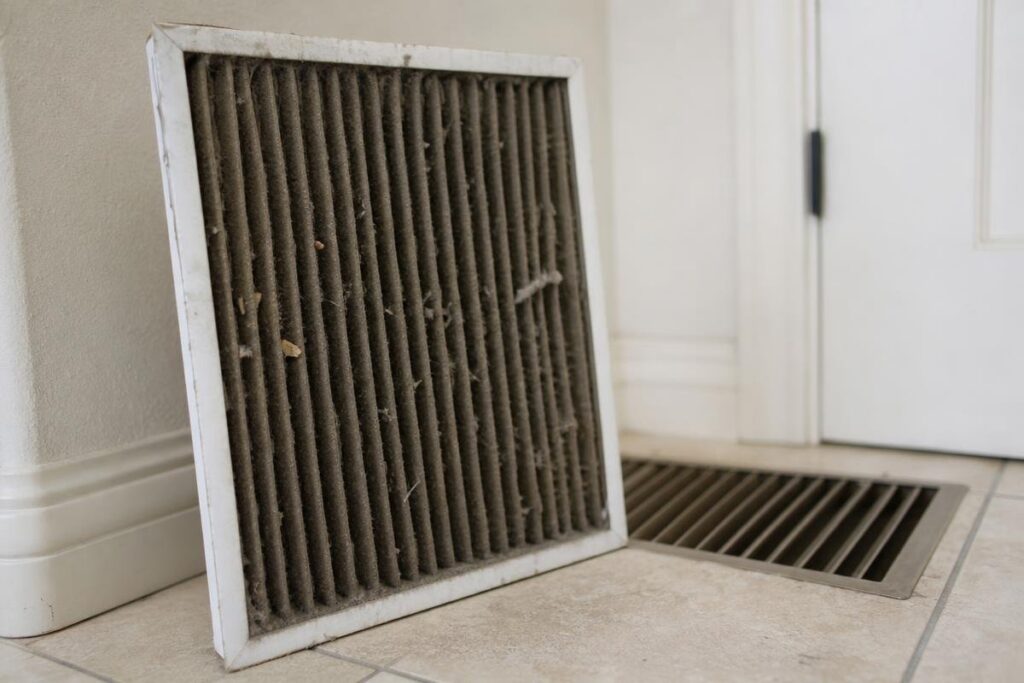
You pull out your HVAC filter after a few weeks and it’s already caked with dust. Or you walk past a vent register and catch a faint musty smell you can’t quite place. If you live near the Oxnard Plain or dealt with last fall’s Santa Ana winds, that’s not unusual. Fine particulates and seasonal dust find their way into duct systems here more than homeowners expect.
Here’s the honest truth: experts genuinely disagree about whether routine air duct cleaning is necessary for every home. We’ll give you a straight answer rather than a sales pitch. This article covers what the process actually involves, when it makes sense, and how to pick a company you can trust.
Pacific Aire Home Services serves this area every day, and we want you to have real information. If you’re also thinking about improving indoor air quality before spring makes it worse, this is a good place to start.
What Is Air Duct Cleaning, and What Does It Actually Involve?
Air duct cleaning is a professional service that removes dust, mold spores, pet dander, and debris from your entire HVAC (Heating, Ventilation, and Air Conditioning) system, not just the visible vents. That includes supply and return ducts, registers, grilles, diffusers, heat exchangers, drip pans, fan motors, fan housing, and the air handling unit itself.
Many older ranch-style properties in the 93010 and 93012 zip codes, including neighborhoods like Mission Oaks and Las Posas Estates, use flexible ductwork installed during the 1970s through 1990s. That flex duct sags over time, collects debris in the low spots, and needs more aggressive agitation tools to clean properly.
Knowing what the process actually involves helps you tell a thorough job from a rushed one. For more on protecting the air you breathe at home, see our guide to indoor air quality tips.
The Basic Process
A proper HVAC duct cleaning visit follows a clear sequence. Here is what that looks like:
- Camera inspection of duct runs to identify buildup, damage, or mold before work begins
- Negative pressure vacuum connection to create suction that pulls debris toward a collection point, not into your living space
- Agitation tools including brushes, air whips, and compressed air nozzles to break loose stuck-on debris
- Debris capture through the vacuum system so contaminants are contained, not redistributed
- Reinstallation of all registers and grilles, leaving your system sealed and ready to run
The EPA is clear on one point: all components must be cleaned, not just the duct runs. Partial cleaning can stir up debris and actually worsen the air you breathe rather than improve it. That is a consumer protection point worth remembering before you book anyone.
Two Main Cleaning Methods
Not every company cleans ducts the same way, and the difference matters.
- Source removal is the method endorsed by NADCA (the National Air Duct Cleaners Association). It combines negative pressure with agitation tools to fully extract contaminants from inside the duct walls. This is the thorough approach.
- Point-of-contact cleaning is surface wiping only. Low-cost providers often use this method. It looks like cleaning but leaves most of the buildup behind.
Before you book any service, ask the provider which method they use. If they cannot answer that question clearly, that tells you something.
When Does Air Duct Cleaning Actually Make Sense?
Here’s something most HVAC companies won’t tell you: the EPA has never shown that routine duct cleaning prevents health problems or improves the air quality in homes without a specific contamination issue. That’s not us talking you out of a service. That’s us being straight with you so you don’t spend money you don’t need to spend.
That said, there are real situations where cleaning your ducts is clearly the right call. Knowing the difference protects your wallet and your home.
Situations Where Cleaning Is Clearly Worth It
The EPA and NADCA both point to a short list of conditions that make duct cleaning genuinely worthwhile. If any of these apply to your property, it’s worth scheduling an inspection.
- Visible mold confirmed by a professional inside your ducts or on HVAC components
- Vermin or insect infestation inside the duct system, including droppings or nesting material
- Ducts visibly clogged with debris that you can see being released into living spaces
- Post-renovation dust from drywall, insulation, or concrete work that bypassed your filter
- Unknown duct history in an older property you recently purchased, especially ranch-style houses built in the 1970s through 1990s throughout Camarillo
- Unexplained allergy or respiratory symptoms that consistently worsen indoors
Local conditions matter here too. The marine layer that rolls in from May through July brings seasonal humidity into the Camarillo area. Older or poorly sealed duct systems can trap that moisture, creating conditions where mold takes hold. Spring and fall wind events off the Oxnard Plain also push agricultural pollen and fine particulates into HVAC systems at higher rates than most inland communities see.
If your system hasn’t been inspected and you’ve noticed the air in your home getting worse as the seasons change, that’s worth looking into. Not sure if your ducts actually need cleaning? We offer honest, no-pressure inspections for Camarillo homeowners so you only pay for work that makes sense.
When You Can Probably Skip It
No visible contamination. Regular filter changes. No pest problems. No recent major renovation. No one in the house dealing with unexplained respiratory issues. If that describes your situation, routine duct cleaning every year or two is likely unnecessary, per the EPA’s own guidance.
Be cautious of any company pushing annual cleaning as a standard requirement regardless of your home’s condition. Cleaning uncontaminated ducts provides no measurable benefit. If you suspect a bigger issue than surface dust, our guide on signs of poor duct sealing in Camarillo homes is a good place to start.
How to Choose a Duct Cleaning Company You Can Actually Trust
The duct cleaning industry has a well-documented scam problem. The EPA, NADCA, and consumer protection agencies have all flagged it. If you live in the Pleasant Valley area or anywhere along the 101 corridor, you have probably seen the flyers or gotten the calls. Knowing what to watch for can save you from paying for work that does nothing, or worse, damages your system.
The same instincts that help you vet any home services provider apply here. Our post on finding a trustworthy HVAC repair company covers the broader principles well, and most of them carry directly over to duct cleaning.
Red Flags That Signal a Scam
Watch out for any of these warning signs before you book:
- Whole-house offers priced at $49 to $99. This is a classic bait-and-switch.
- Unsolicited door-to-door or phone offers you did not request.
- Claims that cleaning will cure specific health problems. No legitimate company makes that guarantee.
- Pressure to add chemical biocides or sealants without explaining why.
- No system inspection before quoting a price.
- No mention of NADCA certification or state contractor licensing.
- Technicians who show up with only a shop vacuum and a brush. That is not professional HVAC duct cleaning equipment.
On the chemical treatments: the EPA has stated that the safety of biocide application inside duct systems has not been fully established. Before agreeing to any chemical treatment, ask for the specific product name and its EPA registration number.
Questions to Ask Before You Book
A legitimate service provider will answer these without hesitation:
- Are your technicians NADCA certified? NADCA sets the industry standard for training and methods.
- Will every component of the system be cleaned, including coils and air handlers?
- What equipment do you use? Look for truck-mounted or high-powered HEPA portable units.
- Can you provide before-and-after camera footage of the ductwork?
- If you recommend a chemical treatment, what is the product and why does this system need it?
- Can you share verified reviews or references from customers in the area?
Pacific Aire Home Services is a licensed HVAC and home services contractor operating out of our Oxnard office at 301 Todd Ct, and our team has earned over 1,092 reviews with a 4.5 out of 5 average rating. Customers consistently mention that our technicians explain what they found and what they did, before and after every visit. That transparency is what you should expect from any company you let into your home.
What to Expect During and After a Professional Duct Cleaning
A lot of homeowners feel uneasy letting someone into their home to work on systems they can’t see. That’s fair. Knowing what actually happens during HVAC duct cleaning takes the mystery out of it and helps you spot a quality job from a rushed one.
The Day-of Process
A thorough air duct cleaning follows a clear sequence. Here’s what a proper visit looks like from start to finish:
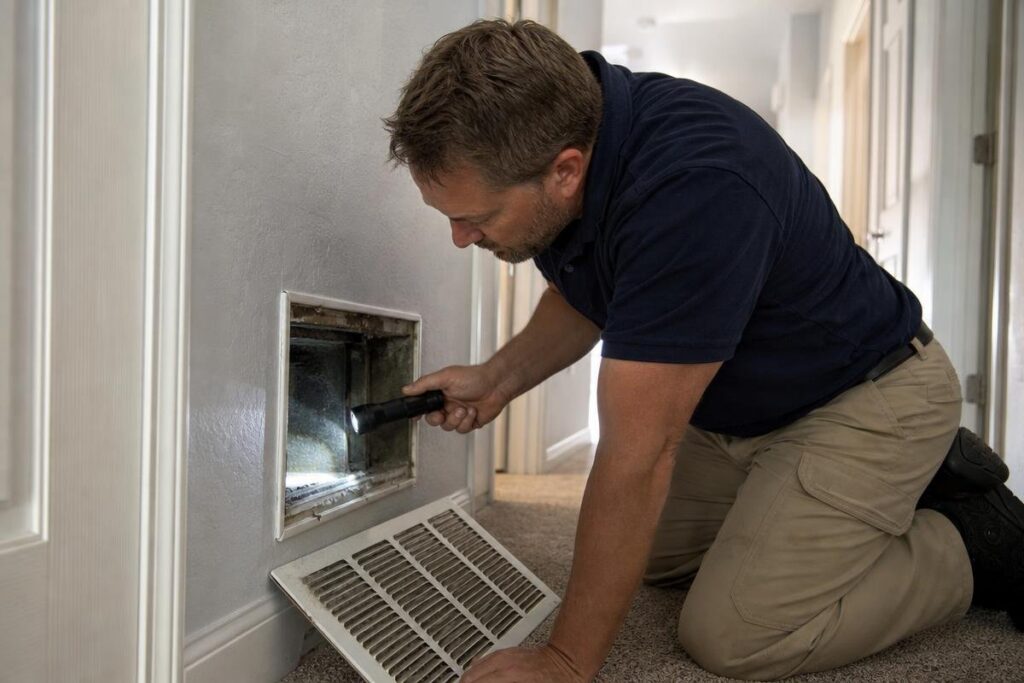
- Pre-cleaning inspection. The technician uses a camera or flashlight to document what’s inside your ducts before touching anything. Ask to see this footage. It sets the baseline.
- HVAC shutdown and access hole cutting. The system is powered down. Small access holes are cut into the main trunk line so equipment can reach deep into the ductwork.
- Negative pressure setup. A high-powered vacuum collection device connects to the trunk line. This creates negative pressure so dislodged debris gets pulled out, not scattered into your living space.
- Section-by-section agitation. Technicians work through each branch, using brushes or compressed air tools to break loose buildup and capture it in the vacuum.
- Component cleaning. Registers, grilles, the blower motor, evaporator coil, and drain pan all get cleaned. Skipping these means contaminants just re-enter the airstream.
- Access hole sealing. Holes are sealed with sheet metal screws and mastic or foil tape. Standard duct tape is not acceptable here and is a red flag if that’s what a provider uses.
- Post-cleaning camera inspection. The technician runs the camera again so you can compare before and after. Any provider who refuses to show you this footage should not be trusted.
For most properties in the Oxnard Plain and surrounding Ventura County area, the full process takes two to five hours. These older properties in Camarillo sometimes have more complex duct layouts from decades of HVAC upgrades, which can push that time toward the higher end. Good HVAC system maintenance year-round can reduce how much buildup accumulates between cleanings.
How to Tell if the Job Was Done Right
The EPA recommends verifying a thorough job before the technician leaves. Use this checklist:
- All supply and return registers were removed and cleaned
- Duct interiors look visibly cleaner on the post-job camera footage
- No dust clouds appear at registers when the system restarts
- Access holes are sealed with proper materials, not standard duct tape
- Blower motor and evaporator coil were cleaned, not just the ducts
- You received a written summary of findings
If any of these items are missing, ask about them before signing off. A quality service provider will have no problem walking you through each one. Ready to schedule your duct cleaning? Our team serves Ventura County and the surrounding area. Call us at (805) 919-8767 to book your visit.
Why Camarillo Homes Have Unique Duct Challenges
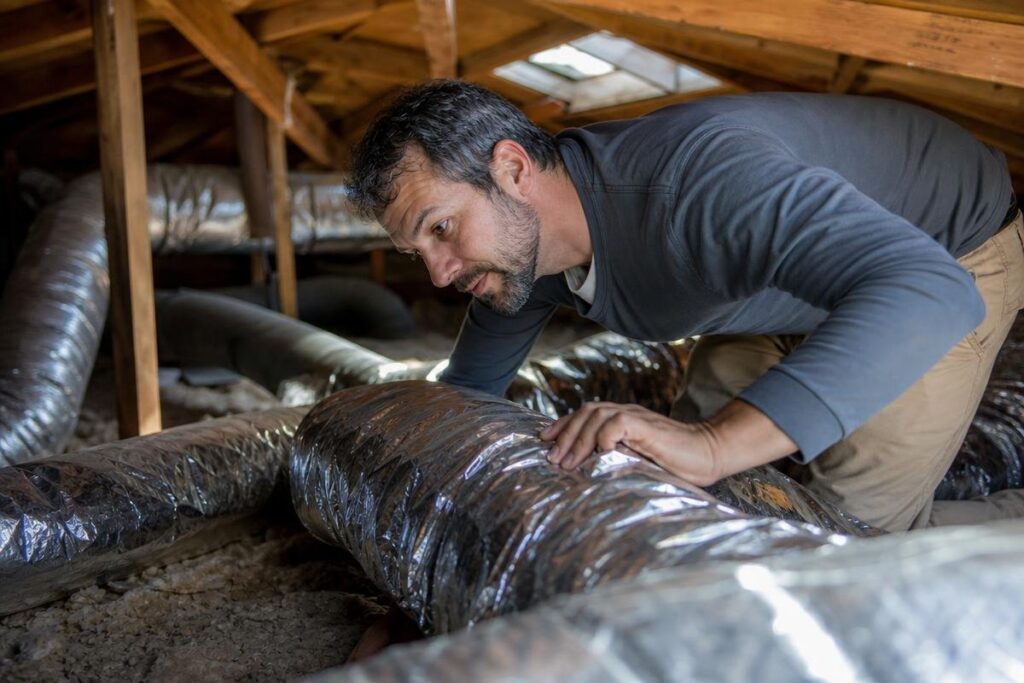
Not every home in Southern California deals with the same duct problems. The Pleasant Valley area has its own set of conditions that put real stress on HVAC systems. If your ducts have never been inspected, understanding what’s working against them is a good place to start.
Marine Layer Humidity and Coastal Particulates
The marine layer rolls in from the Pacific regularly between late spring and midsummer. That seasonal humidity is more than just overcast skies. In older or poorly sealed duct systems, moisture can work its way inside and create conditions where mold and mildew take hold. If your home feels stuffy after a stretch of gray mornings, your ducts may be holding onto that dampness.
Agricultural fields on the Oxnard Plain sit close enough that pollen, fine particulates, and seasonal dust move through neighborhoods like Springville and Mission Oaks during spring and fall wind events. Those particles enter through your HVAC system and settle inside the ductwork. Getting ahead of your IAQ before spring arrives starts with knowing what your ducts are already carrying.
Older Homes, Flex Duct, and Agricultural Dust
Many ranch-style properties built through the 1970s, 1980s, and 1990s use flexible ductwork rather than rigid sheet metal. Flex duct sags over time. It kinks. Connections at registers and air handlers develop small gaps that pull in unfiltered air and debris. That is a different problem than what you find in newer construction.
Properties along the Highway 101 corridor that have gone through multiple HVAC upgrades often end up with patchwork duct systems. Different sections, different ages, different connection points. If your home feels warmer than your thermostat reading, your duct system may be part of the problem. For any property more than 20 years old with no prior inspection, a camera inspection is a smart first step even before committing to a full cleaning.
How to Keep Your Ducts Cleaner Between Professional Visits
A professional cleaning does a lot of the heavy lifting, but what you do between visits matters just as much. The right filter, a consistent change schedule, and sealed ductwork can dramatically slow down how fast your system gets dirty again.
Filter Upgrades and Change Schedules
For most houses in the area, a pleated filter rated MERV 8 to MERV 11 is the right call. It catches fine dust and pollen without choking your system. MERV 13 filters offer better filtration, but they can restrict airflow in older systems. Check with an HVAC technician before stepping up to that rating.
How often you change it depends on your situation. Every one to three months is the general rule. If you have pets, or your property sits near agricultural fields where pollen loads run high in spring and fall, lean toward monthly changes. During peak AC season from June through September, check your filter every month.
During fall wind events that push fine particulates through the region, check it even more often. One more thing: make sure the filter is seated with no gaps around the edges. A filter with air bypass is nearly useless. You can find more practical tips in our guide on how to improve indoor air quality before spring makes it worse.
Sealing and Insulation: The Longer-Term Fix
Leaky ducts pull unfiltered air from attics and wall cavities straight into your system. That is one of the fastest ways to undo a fresh duct cleaning. Sealing duct connections with mastic sealant (not standard duct tape, which fails over time) stops that unfiltered air from getting in. Proper attic insulation helps too.
Read our breakdown of types of insulation if you are weighing your options. If you want to go further, whole-home air purification systems and UV light units reduce biological contaminants before they ever reach your ductwork. Acting early on filter maintenance and ductwork that is losing conditioned air can save you real money down the road.
Frequently Asked Questions
How often should Camarillo homeowners have their air ducts cleaned?
The EPA does not set a fixed cleaning schedule. Most experts recommend inspecting every 3 to 5 years and cleaning only when there is confirmed contamination, mold, pest activity, or a major renovation. If you have pets or allergy sufferers in your household, more frequent inspections make sense.
The marine layer humidity that rolls through the area from late spring into summer, combined with agricultural dust from nearby fields, gives local duct systems more to deal with than homes in drier inland areas.
How much does air duct cleaning cost?
Cost varies depending on home size, vent count, and the extent of contamination. Any quote under $100 is almost always a bait-and-switch. Always get a written quote before work begins, and walk away from any company that refuses to provide one.
Can air duct cleaning improve my home’s indoor air quality?
It can help in specific situations, such as confirmed mold growth, heavy debris, or pest contamination. The EPA has not proven that cleaning prevents health problems in homes without confirmed contamination. Pairing a cleaning with quality filtration gives you the best results for indoor air quality in your home.
Is it safe to use chemical treatments or biocides inside my ducts?
The EPA notes that some chemical biocides and sealants used in ducts have not been fully evaluated for safety. Ask for the product name, confirm it is EPA-registered for duct use, and ask why it is needed. A trustworthy service provider answers those questions without pressure.
How long does air duct cleaning take?
A thorough cleaning of an average-sized home takes 2 to 5 hours. Larger systems or heavily contaminated ductwork take longer. Be skeptical of any provider claiming they can finish in under an hour.
What is the difference between air duct cleaning and duct sealing?
Cleaning removes debris from inside the ducts. Sealing addresses gaps and loose connections that let conditioned air escape and unfiltered air enter. They solve different problems. If your energy bills are climbing or certain rooms are hard to keep comfortable, sealing may actually be the higher priority. Read our guide to signs your ducts may need sealing to see if that fits your situation.
If your home is showing any of the signs covered above, such as visible debris at registers, a musty smell from vents, a history of pest problems, or ducts that have never been inspected, our team is ready to take a look. Call us at (805) 919-8767 or schedule online at pacaire.com. We will inspect your system, show you what we find, and give you a straight answer about whether cleaning makes sense for your home.
Ready to Get Started with Pacific Aire Home Services?
Call (805) 919-8767 to speak with our team directly. We’re ready to answer your questions, walk you through your options, and help you find the right solution for your needs. Whether you’re just starting to plan or ready to move forward, we’ll make the process simple and stress-free. Reach out today and let’s talk about how we can help.