

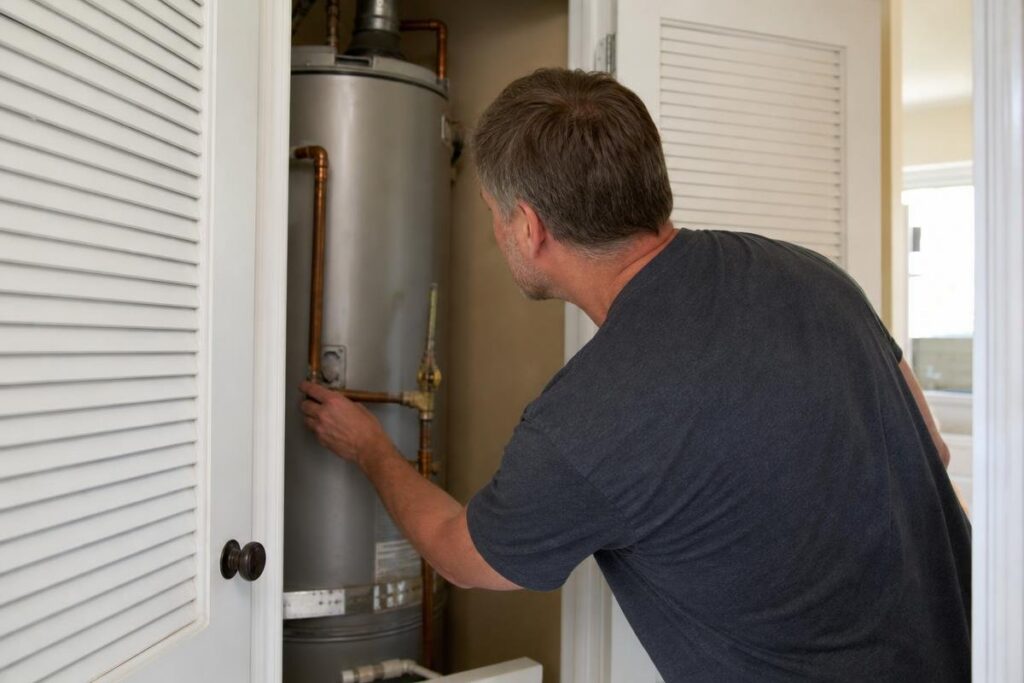
Your water heater stopped working, and suddenly your whole morning routine is off. No hot shower, no hot water for dishes, and no clear answer on what went wrong. The team at Pacific Aire Home Services handles these calls regularly for Oxnard homeowners, and the good news is that most problems have a fix.
We work out of 301 Todd Ct, Oxnard, CA 93030, so our technicians know the local homes and water supply firsthand and can walk you through what to check, what to watch out for, and when it is time to call for backup. Water heater down? We can help you get it sorted fast.
Key Takeaways
- A tripped circuit breaker or a pilot light that went out are two of the most common reasons you suddenly have no hot water.
- Oxnard’s moderately hard water supply speeds up sediment buildup, which can quietly shorten your water heater’s lifespan.
- Checking your thermostat setting, reset button, and circuit breaker panel are safe first steps before calling a pro.
- Some heater failures are simple resets; others signal it is time for a repair or full replacement.
- Acting early on warning signs can save you money and prevent a cold-water surprise on the worst possible morning.
No Hot Water This Morning? Start Here
You turn on the shower, wait for the warm water to come through, and it never does. Cold water only. If your unit quit overnight, you already know how fast that disrupts your whole morning. Dishes, laundry, showers, hot water touches almost every part of your daily routine.
For homeowners in Camarillo, Ventura, and across the coast, a hot water heater not working is never a small inconvenience. And the cause is not always obvious. It could be something as simple as a tripped circuit breaker. It could be a failed heating element, a bad thermostat, or sediment buildup from the moderately hard water this area is known for.
This article covers both gas and electric tank water heaters. We’ll walk through the most common reasons you have no hot water in your house, a step-by-step troubleshooting checklist you can run yourself, and clear guidance on when to stop and call a pro. If you want to understand what signs point to a full water heater replacement, we cover that too. Read on to learn exactly what to check first and how to get your home back to normal fast.
Safety First: What to Do Before You Touch Anything
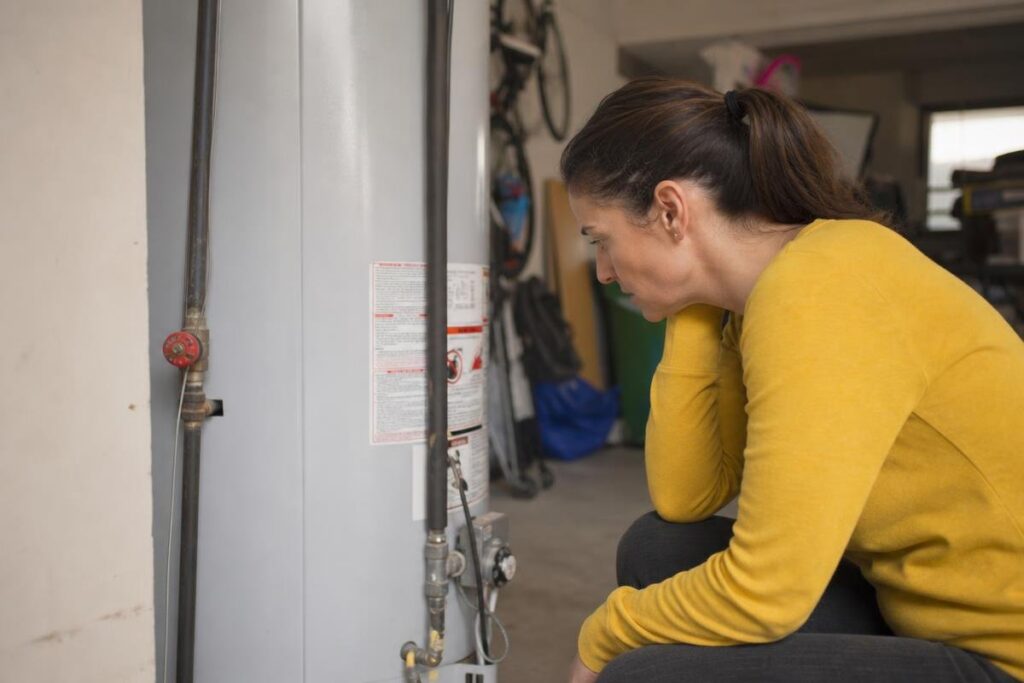
Before you start any water heater troubleshooting, stop and assess the situation. The steps you take in the first two minutes matter more than anything else. Whether the failure came on suddenly or has been building for days, safety comes before diagnostics.
Gas Water Heaters: Check for Gas Before You Do Anything Else
A rotten egg or sulfur smell near your unit means one thing: get out. Do not flip any light switches. Do not touch the water heater. Leave the door open as you exit, go outside, and call your gas company from there.
If there is no smell, follow these steps before touching anything:
- Stop. Do not turn the unit on or adjust any settings.
- Smell. Take a slow breath near the unit and the surrounding area.
- Exit if needed. Any gas odor means leave immediately and call SoCalGas from outside.
If the air smells clean, locate the gas shutoff valve on the supply line feeding the unit. Turn it clockwise to close it before you inspect anything further.
Electric Water Heaters: Kill the Power First
Go straight to your main electrical panel. Find the dedicated 240V double-pole breaker labeled “Water Heater” or “WH” and switch it off before you touch any part of the unit. If you see standing water around the base of the heater, do not step near it until that breaker is off. Water and a live 240V circuit are a serious shock hazard. Shut the power off first, every time. For more on avoiding common plumbing disasters before they escalate, our team has a full guide worth reading.
The Most Common Reasons a Water Heater Stops Working
The most common reasons include a tripped circuit breaker, an extinguished pilot light, a failed heating element or thermostat, sediment buildup in the tank, or a faulty pressure relief valve. These show up again and again in homes across Camarillo, Thousand Oaks, and the rest of Ventura County. Knowing which one you are dealing with helps you decide whether to grab a flashlight or pick up the phone.
Tripped Circuit Breaker
A tripped breaker is the single most common reason an electric water heater has no hot water even though the power appears to be on. A tripped breaker sits between the ON and OFF positions, not fully in either spot. Reset it once. If it trips again immediately, stop. That pattern points to a deeper electrical fault that needs a licensed technician, not a second reset attempt.
Pilot Light Has Gone Out
Gas water heaters with a standing pilot can lose the flame from a draft or a brief gas interruption. Modern units use electronic ignition instead, so there is no visible pilot to relight. If you try relighting a standing pilot two or three times and it will not stay lit, the thermocouple has likely failed. That small sensor tells the gas valve the flame is present. When it goes bad, the valve shuts off gas as a safety measure.
Failed Thermostat or Heating Element
Electric units have an upper and a lower heating element. Lukewarm water, rather than no hot water at all, usually points to the lower element. A completely cold tank with confirmed power suggests the upper element is gone or the high-limit reset button has tripped. That red button sits behind the access panel on the upper element. Pressing it is one of the first water heater troubleshooting steps worth trying before calling anyone.
Sediment Buildup in the Tank
Water delivered through the Calleguas Municipal Water District carries moderate to moderately high mineral hardness. Calcium and magnesium settle at the bottom of the tank over time, forming a layer that insulates the burner or lower element. The result is a rumbling or popping sound, lukewarm output, and longer recovery times. If your unit made noise before it quit, sediment is a strong suspect. Read our guide on flushing your water heater to understand how often this maintenance step should happen.
Failing Pressure Relief Valve or Aging Tank
A pressure relief valve that weeps constantly drains the tank quietly and steadily, leaving you with no hot water in the house and no obvious leak to spot. Tanks older than 10 to 12 years also face internal corrosion, rust, and cracked liners that no repair can fix. Many older Oxnard homes near downtown and the older Wilson and Colonia neighborhoods are still running tanks well past that window.
If your unit is in that age range, review the signs it is time for water heater replacement before spending money on parts for a tank that is near the end of its life.
How to Troubleshoot Your Water Heater Step by Step
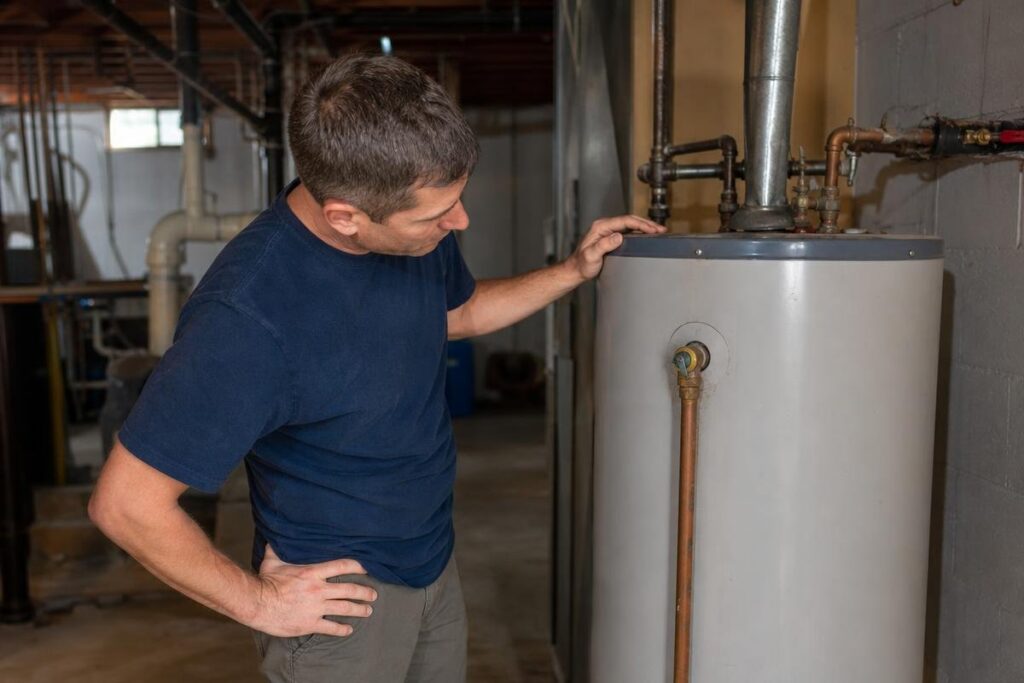
When the unit quits and you want answers fast, run through these four steps before you call anyone. Many no-hot-water calls turn out to be simple fixes a homeowner can handle in under an hour.
Step 1: Confirm Power or Gas Supply
This is the first thing to check when there is no hot water. For electric units, go to your main panel and look for a tripped circuit breaker. A tripped breaker sits between ON and OFF. Flip it fully off, then back on. For gas units, find the shutoff valve on the supply line. The handle should be parallel to the pipe. If it is perpendicular, the gas is off. Also check your main gas meter for any interruption signal.
Step 2: Press the High-Limit Reset Button
Electric water heaters have a red reset button behind the upper access panel. Remove the two screws on the panel, locate the red button, and press it firmly until you feel a click. Replace the panel, restore power, and wait 30 to 60 minutes. If the water heater reset button trips again right away, stop. That is a sign of a deeper problem and you should call a pro rather than keep resetting it.
Step 3: Inspect for Leaks Around the Tank
Walk the full perimeter of the tank and check the floor for pooling water. Look at the cold inlet and hot outlet connections at the top for drips. Check the pressure relief valve discharge pipe running down the side for any dripping. A wet floor under the tank body usually means the tank itself has failed and needs replacement, not a repair.
Step 4: Check the Thermostat Setting
An accidentally bumped thermostat is a surprisingly common reason for no hot water in the house. Set the dial between 120 and 140 degrees F. Do not go above 140 F because of scalding risk. If the dial was set way too low, restore it to 120 F and give the unit an hour to recover.
Homes in Thousand Oaks and Camarillo with hard water may also benefit from a pre-winter water heater tune-up to catch thermostat drift and sediment buildup before the cooler months hit. Not sure whether you need a repair or a full replacement? Get a free assessment from our team.
When Should You Call a Professional Instead of DIYing It?
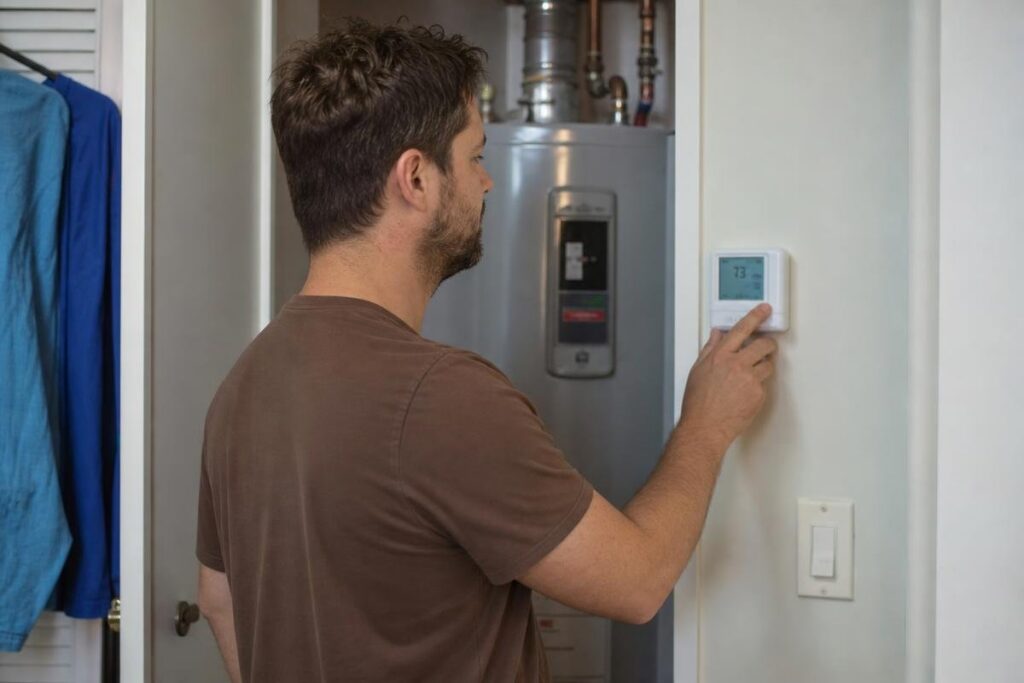
Some water heater problems are simple resets. Others are signs of something more serious. Knowing the difference can protect your home and your wallet. If basic troubleshooting hasn’t restored your hot water, here’s how to decide what to do next.
Six Signs the Problem Is Beyond a Reset
These situations call for a licensed technician, not another trip to the breaker panel:
- The circuit breaker trips again immediately after you reset it
- The pilot light won’t stay lit after two attempts
- Rust-colored water is coming out of your hot water taps
- Water is pooling under or around the tank
- Loud popping or banging preceded the failure
- The unit is 10 to 12 years old and has quit for good
A breaker that keeps tripping is telling you something is drawing too much current. That’s an electrical issue, not a reset issue. Rust-colored water often points to a corroded tank lining, which no DIY fix can reverse. And pooling water can escalate fast. Learning to avoid common plumbing disasters starts with catching these warning signs early.
One more thing worth knowing: in California, a water heater replacement requires a permit, and certain repairs must be performed by a licensed contractor. DIY work on heating elements or thermostats can also void your manufacturer warranty. Our technicians hold the proper licensing and handle permitted work correctly the first time.
Across more than 1,000 customer reviews, homeowners in Camarillo, Thousand Oaks, and Ventura consistently note that our team explains everything clearly and resolves the issue on the first visit.
Gas Line Issues Are Always a Professional Call
If your pilot flame is yellow or orange instead of blue, that’s a combustion problem. If you smell gas near the unit, leave the house and call your gas company immediately. Do not attempt to relight the pilot or reset anything.
Gas line repairs and venting corrections in California must be handled by a licensed contractor. No exceptions. Our team serves Camarillo, Ventura, and surrounding areas and can respond quickly when a safety concern is involved. Not sure if your situation needs a pro? Call us at (805) 919-8767 and we’ll help you figure it out fast.
Repair vs. Replace: How to Decide When Your Water Heater Stops Working
Once the unit fails, you’re facing a real decision: fix it or replace it? Getting this wrong costs you money either way. Here’s how to think through it clearly.
The 50% Rule and Tank Lifespan
The industry standard is straightforward. If the repair cost exceeds 50% of what a new unit would cost, and your tank is already 8 to 10 years old, replacement is almost always the smarter move. You’re not fixing the problem at that point. You’re just delaying the next one.
Standard tank water heaters last 8 to 12 years. Once a tank has failed due to heavy sediment damage, a flush alone rarely saves it. If you want to understand the 7 signs it is time for water heater replacement, that guide walks through exactly what to look for before you commit to a repair bill.
Tankless and Heat Pump Options for Coastal Homes
If replacement makes sense, it’s worth considering your options. Tankless water heaters eliminate standby heat loss and can meaningfully cut your water heating energy costs. They also last 15 to 20 years with proper maintenance, nearly double a standard tank.
Hybrid heat pump water heaters are an especially strong fit for homes in Port Hueneme and the Channel Islands Harbor area. Our mild coastal climate rarely drops below 50 degrees, which keeps these units operating in their most efficient range almost year-round. That’s a real advantage inland cities like Simi Valley simply don’t have. Check out our tankless vs. hybrid heat pump water heater comparison to see which option fits your home best.
How Oxnard’s Water Quality and Climate Affect Your Water Heater
Your water heater doesn’t just battle age and daily use. In this part of Ventura County, it’s also fighting your local water supply and coastal weather every single day. These two factors quietly shorten the life of your unit, and most homeowners never connect the dots until the hot water disappears for good.
Mineral Hardness and Sediment: The Local Water Factor
Local supply water carries moderate to moderately high levels of calcium and magnesium. Over time, those minerals settle at the bottom of your tank as sediment. That layer of scale sits between the heating element and the water, forcing your unit to run longer and work harder just to reach the same temperature.
The result is higher energy bills, more wear on components, and a water heater that fails years before its rated lifespan. It’s one of the most common reasons we see units break down in Port Hueneme and Santa Paula homes alike. Annual flushing removes that buildup before it becomes a real problem. Read our guide on how to know when to flush your water heater to stay ahead of it.
The Marine Layer Effect on Water Heater Performance
Oxnard’s coastal climate keeps incoming cold-water supply temperatures consistently lower than what you’d find in warmer inland cities. Your water heater has to work harder year-round just to hit the set temperature. Homes in the Southwinds and Seabridge neighborhoods near the harbor feel this most. The marine layer sits longer there, and cold supply water means your unit runs more cycles daily.
The upside is that Oxnard’s mild ambient temperatures, rarely dropping below 40°F, make hybrid heat pump water heaters an excellent fit here. These units pull heat from surrounding air and are most efficient when that air stays above 40 to 50°F. If you’re thinking about an upgrade, that’s worth factoring in. You can also pair any water heater upgrade with a plan for protecting your home plumbing in winter for full peace of mind.
Our team is based at 301 Todd Ct, Oxnard, CA 93030. These neighborhoods are our home turf, and we understand exactly what local conditions do to water heater performance over time.
Simple Maintenance Steps to Prevent Your Water Heater from Stopping Again
Most water heater problems don’t happen overnight. They build up over months and years. A little routine maintenance goes a long way toward keeping the hot water flowing and preventing another cold-shower morning. Here are three tasks every homeowner should do annually.
Annual Tank Flush
Sediment collects at the bottom of your tank every time water flows through it. Over time, that buildup insulates the heating element and forces your unit to work harder. Draining 2 to 4 gallons once a year clears it out before real damage sets in. Not sure if yours is overdue? Check out our guide on how to know when to flush your water heater.
Here’s how to do it:
- Turn the thermostat to “pilot” or shut off the circuit breaker.
- Connect a garden hose to the drain valve at the base of the tank.
- Open a hot water tap somewhere in the house to prevent a vacuum.
- Drain until the water runs clear.
Pressure Relief Valve Test
The pressure relief valve (PRV) is a safety device that releases pressure if the tank overheats. To test it, lift the small lever for 2 to 3 seconds, then release. Water should flow from the discharge pipe and stop cleanly. If it keeps dripping after the test, the valve needs replacement. Test this once a year.
Anode Rod Inspection
The anode rod is a sacrificial magnesium or aluminum rod inside your tank. It attracts corrosive minerals so the tank lining doesn’t have to. Once it’s depleted, the tank itself starts corroding from the inside out. Most rods last 3 to 5 years nationally, but with the moderate mineral hardness in the local supply, checking every 3 years is the smarter interval here. Replacing a spent rod is one of the cheapest ways to add years to your tank’s life.
Frequently Asked Questions
How long after pressing the reset button should I have hot water again?
After pressing the water heater reset button, give it 30 to 60 minutes before checking. A 40-gallon electric tank typically recovers in 30 to 40 minutes. A 50-gallon tank can take up to 60 minutes. Gas units recover faster, usually 20 to 30 minutes once the pilot is relit. No hot water after an hour means something deeper is wrong.
Why does my water heater reset button keep tripping?
A reset button that keeps tripping is not a minor nuisance. It signals a failing thermostat, a shorted heating element, or overheating wiring. Each trip is the safety device catching a real problem. Stop resetting it and call a licensed technician. Continuing to reset it can cause serious damage or create a safety hazard.
Can I still run my dishwasher and washing machine without hot water?
Both appliances will run, but results suffer. Most dishwashers have an internal heating element that compensates somewhat. Cold-water laundry leaves grease and oils in fabrics. For a short outage, it is fine. For an extended outage, hold off on heavy loads until your hot water heater is working again.
How much does water heater repair cost?
Cost varies widely depending on the part. A thermostat or heating element replacement is a modest repair. A full tank replacement is a larger investment. Age matters most in that decision. We give you a straight estimate before any work starts.
Does homeowners insurance cover a water heater that stopped working?
Standard homeowners insurance typically does not cover failure from normal wear and tear. Water damage caused by a sudden failure may be covered, but the unit itself usually is not. Check your policy and ask your agent about equipment breakdown endorsements specifically.
How do I know if I should repair or replace my water heater?
The clearest replacement signal is a unit over 10 years old showing visible rust or corrosion, with a repair estimate near half the cost of a new unit. A unit under 8 years old with one failed component is almost always worth repairing. Coastal Ventura County’s moderately hard water accelerates mineral buildup, so local units can hit that threshold earlier than you might expect. See 7 signs your water heater needs replacing for a full breakdown.
If you have worked through these steps and your water heater is still not producing hot water, call Pacific Aire Home Services at (805) 919-8767. Our team is based at 301 Todd Ct in Oxnard and serves homeowners across Simi Valley, Santa Barbara, Malibu, and the surrounding area. We diagnose water heater problems on the first visit and give you a straight answer on whether repair or replacement makes more sense for your situation. No runaround, no pressure.
Ready to Get Started with Pacific Aire Home Services?
Call (805) 919-8767 to speak with our team directly. We’re ready to answer your questions, walk you through your options, and help you find the right solution for your needs. Whether you’re just starting to plan or ready to move forward, we’ll make the process simple and stress-free.
Reach out today and let’s talk about how we can help.