

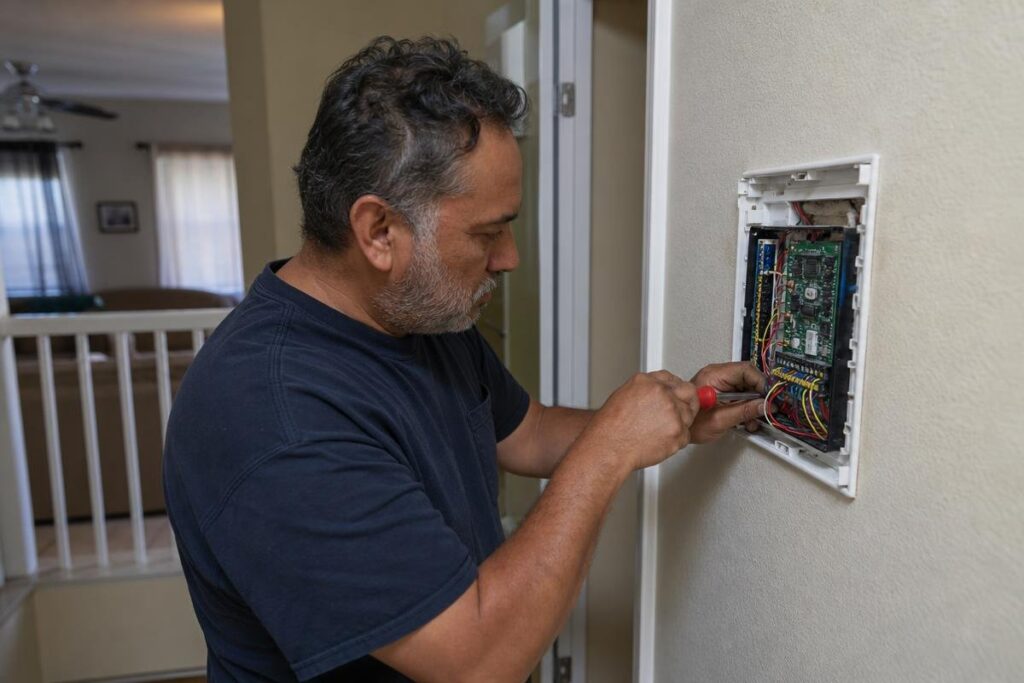
If one room in your Camarillo home feels like a sauna while another stays perfectly cool, your HVAC system is not the problem. Your setup is. HVAC zoning divides your home into separate temperature-controlled areas, each with its own thermostat, so you stop fighting over the dial and start actually staying comfortable. Pacific Aire Home Services is based in Oxnard and serves Camarillo homeowners throughout Ventura County.
We install zoning systems sized and configured for the way heat actually moves through local homes, and we do it under our California CSLB contractor’s license, so every installation meets state code. Ready to stop heating and cooling rooms you’re not even using?
Key Takeaways
- HVAC zoning splits your home into separate temperature zones, each controlled by its own thermostat.
- Camarillo’s marine layer pattern creates big room-to-room swings that a single thermostat cannot handle well.
- Motorized dampers redirect conditioned air only to the zones that call for it, so no room gets overcooled or ignored.
- A zoning system can lower energy bills by conditioning only the areas you actually use.
- California Title 24 energy standards apply to zoning installations, and proper sizing matters for compliance.
Why One Thermostat Can’t Keep Every Room Comfortable
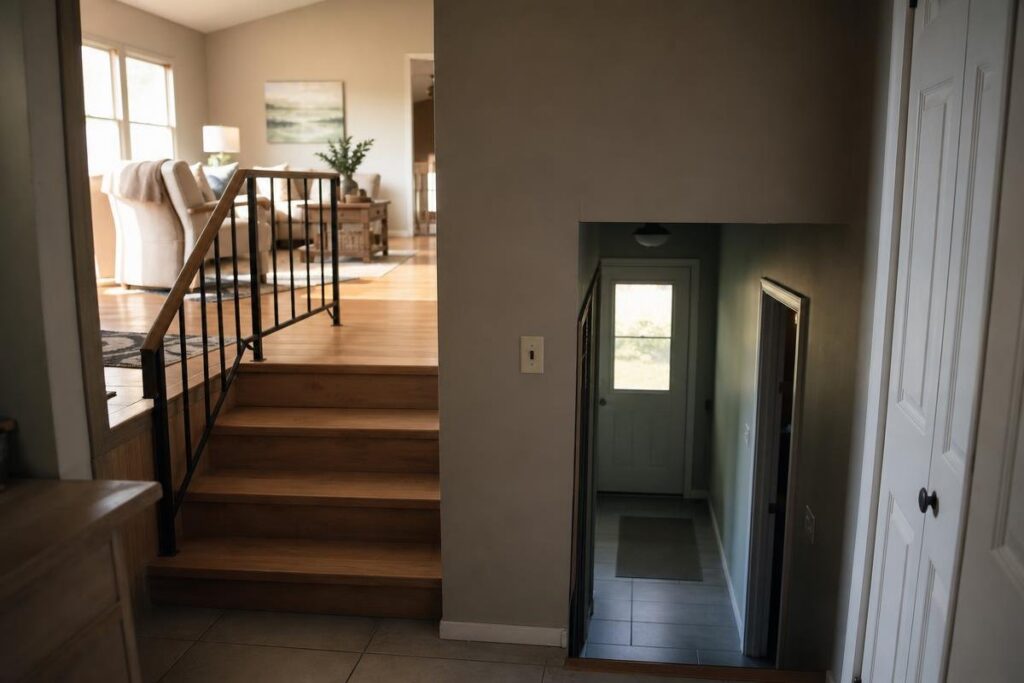
You set the thermostat to 74 degrees, and the living room feels fine. But walk down the hall or head upstairs, and it’s a different story. One room is stuffy and warm, another is comfortable, and no matter what you do with the thermostat, you can’t fix both at once.
In Camarillo, this is an especially common complaint. The marine layer rolls in cool most mornings, with temperatures in the low 60s, then burns off by early afternoon as inland heat pushes highs into the mid-to-upper 80s. South- and west-facing rooms absorb that afternoon sun hard. North-facing rooms stay cool. Your single thermostat has no way to balance both. We’ll walk through how HVAC zoning works with different system types, what it actually costs, and whether your home genuinely needs it.
What Is HVAC Zoning?
HVAC zoning is a system that divides your home into separate temperature-controlled areas, each managed by its own thermostat. Instead of one hallway thermostat calling the shots for every room in the house, a zone control system lets you set different temperatures in different areas based on how each space is actually used. It is a system-level upgrade, not just a thermostat swap.
A standard single-zone setup treats your entire home as one space. That works fine in theory, but not in practice. Think about a two-story home in Springville where the upstairs bedrooms bake in the afternoon sun while the downstairs stays cool. One thermostat cannot fix that. It just picks a middle ground that leaves somebody uncomfortable.
Zoning solves this by using motorized dampers inside your ductwork. When a zone calls for cooling or heat, those dampers open to deliver conditioned air to that area. When the zone hits its target temperature, the dampers close. The rest of the home is not affected. This is very different from simply adjusting vents by hand, which can actually strain your equipment.
If you want to understand how zoning fits alongside different types of HVAC systems, that is a good place to start before deciding whether zoning makes sense for your home.
How Does an HVAC Zone Control System Work?
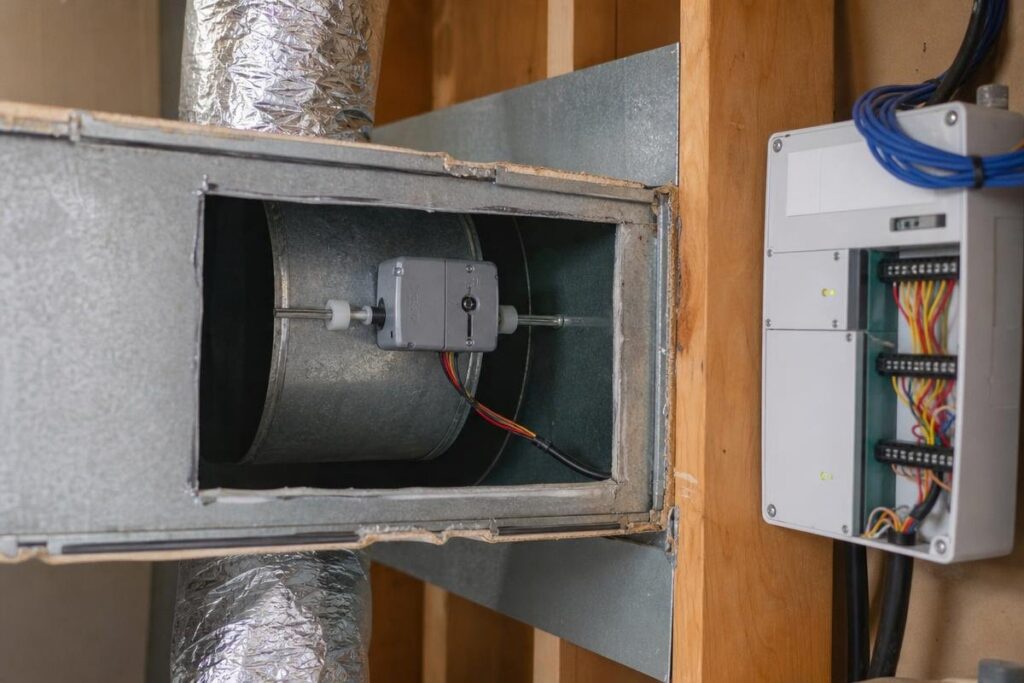
A zone control system has three main parts working together: zone dampers inside your ductwork, a central control panel, and a separate thermostat for each zone. When one zone calls for heating or cooling, the panel opens the right dampers and runs the equipment. When that zone hits its target temperature, the dampers close. It’s that direct.
Zone Dampers: The Valves Inside Your Ductwork
Zone dampers are motorized metal plates installed at branch points in your duct system. They work like valves. The zone control panel sends a 24-volt signal to open or close each damper depending on which zones need conditioned air at that moment.
In homes across Thousand Oaks and Simi Valley, west-facing rooms can climb 6 to 8 degrees above the rest of the house once the marine layer burns off and the afternoon sun takes over. A single thermostat can’t fix that. Dampers physically redirect airflow to where it’s actually needed, which is exactly why your home feels hotter than the thermostat reads without zoning in place.
The Zone Control Panel and Multiple Thermostats
The control panel is the brain of the whole system. Each zone has its own wall thermostat that reports to the panel. The panel then coordinates damper positions and tells your furnace or air handler what to do. Your thermostats don’t talk directly to the equipment.
Every zone needs its own thermostat, but not every room needs one. Rooms with similar sun exposure and usage patterns can share a zone. Modern systems often use smart or Wi-Fi thermostats per zone, so you can adjust temperatures from your phone without walking room to room.
How Many Zones Does Your Home Actually Need?
The honest answer depends on your floor plan, your duct layout, and which rooms drive you crazy every summer. A good starting point: one zone per floor, plus an extra zone for any room that consistently feels too hot or too cold. That simple rule of thumb handles most situations without overcomplicating the system.
So what pushes a room into its own zone instead of sharing one? A few clear qualifiers: a room larger than roughly 250 to 300 square feet often has a heat load big enough to warrant its own control. A room that sits on its own duct branch, physically separated from the main trunk, is a natural standalone zone. Sun exposure is another dividing line, since a west-facing room gains heat hours after a north-facing room has cooled down.
Finally, usage patterns matter. A home office, a nursery, or a rarely used guest room runs on a different schedule than the main living space and benefits from independent control. Wondering how many zones your floor plan really calls for? Get a free zoning assessment from our team.
Dual-Zone Systems: The Most Common Starting Point
A dual zone HVAC setup splits your home into two independently controlled areas. The most common split is upstairs versus downstairs, or sleeping areas versus living spaces. Heat rises, so upper floors and south-facing rooms in two-story homes tend to hold warmth long after the ground floor has settled. A two-zone system directly fixes that. For most split-level and two-story homes, dual-zone is all you need to restore real comfort.
Multi-Zone Systems: Right for Larger or Multi-Story Homes
A multi zone HVAC system makes sense when two zones still leave problem areas. Detached guest suites, finished garage workspaces, and sunrooms facing afternoon sun are strong candidates for a third or fourth zone. Homes in Las Posas Estates and Mission Oaks with converted garages or casitas often qualify because those spaces sit on separate duct branches and heat up independently from the main living area.
Zone count is ultimately limited by your equipment’s capacity and your existing duct layout, so we assess both before recommending anything. If you’re curious how your current system fits into this, our post on how long your HVAC system should last can help you decide whether to upgrade before adding zones.
Does Camarillo’s Climate Actually Justify HVAC Zoning?
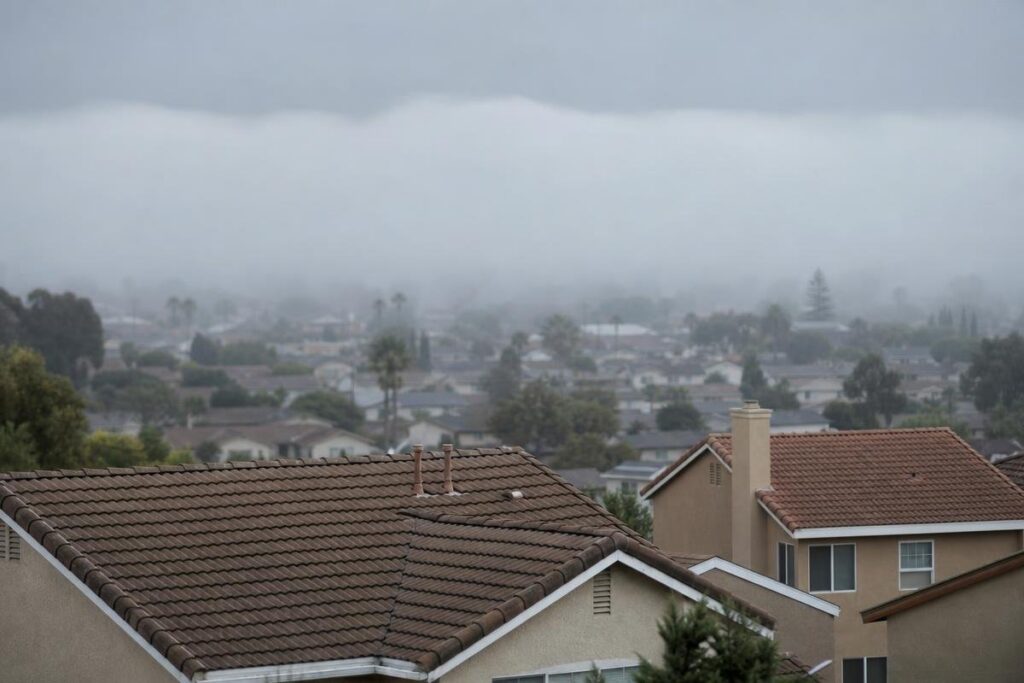
For many inland areas, a single thermostat works fine. But homes in the Oxnard Plain and Camarillo sit in a different situation. The marine layer rolls in overnight and keeps mornings cool, then burns off by late morning and lets afternoon temperatures climb fast. That daily swing creates real comfort problems inside your home.
The Marine Layer Effect: Cool Mornings, Warm Afternoons
From late spring through early fall, mornings in the 93010 and 93012 zip codes start in the low 60s. During peak afternoon hours, south- and west-facing rooms can sit several degrees hotter than the shaded north side of the same house. A single hallway thermostat reads one number and makes one decision for the whole house. That decision is almost always wrong for at least half your rooms.
An HVAC zone control system solves this directly. Each zone responds to its own thermostat, so your sun-baked west-facing living room gets cooling while a shaded back bedroom stays off. You stop fighting the system and start feeling comfortable throughout the day.
Home Layouts That Benefit Most in Camarillo
Two-story homes in Camarillo Heights deal with floor-to-floor temperature swings that a single zone simply cannot manage. Ranch-style homes with large west-facing windows face the same problem on a horizontal plane. Homes with bonus rooms, casitas, or converted garages are also strong candidates, since those spaces rarely share ductwork designed for them.
That said, HVAC zoning is not the right answer for every home. A small, well-insulated single-story home with consistent sun exposure may see more benefit from fixing signs of poor duct sealing before adding zones. Acting early on the simpler fix can save you money and stress down the road. Our team can tell you which option makes sense for your specific home.
Not sure if your home is a good fit for zoning? Call us at (805) 919-8767 and we’ll give you a straight answer.
Adding Zones to an Existing HVAC System vs. New Construction
You do not need to replace your entire HVAC system to add zoning. Most forced-air systems can be retrofitted with zone dampers and a zone control system. But retrofitting is more involved than building zoning in from scratch, and it helps to know what you are getting into before you commit.
Retrofitting Zone Dampers Into Existing Ductwork
A technician needs to assess your existing ductwork first. The key question is whether your duct branch points can physically accommodate damper installation. Many homes in Camarillo and the surrounding neighborhoods were built in the 1980s and 1990s with single-zone layouts and smaller duct diameters, which can complicate the process.
The biggest challenge with retrofitting is static pressure. When one zone closes, the same volume of air gets pushed through fewer ducts. That extra pressure can strain your blower motor over time. To manage this, a technician will often add a bypass damper or recommend a variable-speed air handler. It adds cost, but it protects your equipment. You can read more about what Camarillo homeowners should know about air duct cleaning to understand how duct condition affects airflow before a retrofit.
Why New Construction Makes Zoning Easier
When a home is built with zoning in mind, duct runs are designed from day one to support multiple zones. Damper placement is cleaner, static pressure is easier to balance, and the equipment can be sized specifically for a multi-zone setup.
A full system replacement is also a smart time to add zoning. You are already investing in new equipment, so configuring it for zones from the start costs less than going back to retrofit later. If you are weighing that decision, our guide to HVAC installation and payment options can help you plan the project.
What Are the Real Benefits of HVAC Zoning for Homeowners?
A multi zone HVAC system does more than just let you pick a number on a thermostat. It changes how your whole system runs, and that affects your comfort, your energy bills, and how long your equipment lasts.
Energy Savings When Rooms Are Unoccupied
Think about a home office or a guest bedroom in Mission Oaks that sits empty most of the week. Without zoning, your system conditions that room to the same temperature as every other room in the house. With thermostat zoning, you can reduce or stop airflow to unoccupied spaces entirely. Over a full cooling season, that adds up to real runtime savings without sacrificing comfort anywhere else.
Better Comfort for Households With Different Preferences
One thermostat means one compromise. Teenagers, elderly family members, and anyone working from home often need different temperatures than the rest of the household. Zoning gives each bedroom or living area its own set point. Nobody has to argue over the thermostat, and nobody has to be uncomfortable.
This matters especially in two-story homes and ranch-style layouts where sun-exposed rooms hold heat long after the rest of the house has cooled off.
Reduced Wear on Your HVAC Equipment
When your system only conditions the areas that actually need it, the air handler and compressor cycle less often. Less cycling means less mechanical stress over time. That directly affects how long your HVAC system should last before needing major repairs or replacement. Acting early to add zoning can save you money on equipment costs down the road.
How to Monitor and Control Temperatures in Each Zone
Using a thermostat zoning setup day to day is simpler than most homeowners expect. Each zone has its own thermostat, and you set them independently. The bedroom zone is completely separate from the living room zone, the same way two different homes would each have their own controls.
Modern zone control systems pair with smart thermostats that let you schedule temperatures by zone. You can program the bedroom to start cooling 30 minutes before you go to sleep while the living room stays warmer during the evening. If you commute out of Camarillo or spend long days away from home, you can use a mobile app to pre-cool the rooms you will actually use before you walk in the door. That matters in late afternoon, when west-facing rooms heat up fast once the morning marine layer clears.
Our team installs and programs your smart thermostats as part of the zone system setup. You leave with a system already configured for your schedule, not a manual to figure out on your own. If you want to fine-tune comfort further, pairing zone control with good airflow habits helps too. Check out our guide on 6 ceiling fan mistakes that make rooms feel hotter for a few easy wins alongside your zoning system.
Frequently Asked Questions
How much does HVAC zoning cost to install?
Cost varies based on how many zones you need, the layout of your existing ductwork, and whether your system requires a bypass damper or a new zone control panel. There is no single flat price that fits every home. Our team offers free estimates so you know exactly what you are looking at before any work begins. You can also explore HVAC installation and payment options to see what financing may be available.
Can I add zoning to my existing HVAC system in Camarillo?
In most cases, yes. The key requirement is a forced-air system with accessible branch points in the ductwork where dampers can be installed. If your home runs on radiant heat, a ductless mini-split, or another non-ducted setup, zoning works differently and we will walk you through those options separately. Homes in the Heights area and older ranch-style properties throughout the 93010 and 93012 zip codes are generally good candidates.
How many zones does a typical Camarillo home need?
Most single-story ranch homes do well with a dual zone HVAC setup, splitting living areas from bedrooms. Two-story homes, properties with bonus rooms or casitas, and homes with strong east-west sun exposure often benefit from three or more zones. Sun-exposed rooms warm up well ahead of the shaded side of the house during peak afternoon hours, and a separate zone gives you direct control over that without overcooling the rest of the home.
Will HVAC zoning lower my energy bills?
It can. Zoning reduces energy use by conditioning only the areas that are occupied at any given time instead of pushing air through the entire house. Actual savings depend on your home’s size, insulation quality, and how consistently you use zone schedules. Pairing zoning with other efficient heating strategies that lower energy bills tends to produce the best results.
What is the difference between a zone damper and a bypass damper?
A zone damper sits inside a specific duct branch and opens or closes to control airflow into that zone. A bypass damper is a pressure-relief component. When several zones close at once, air pressure builds up in the main trunk line. The bypass damper redirects that excess airflow back to the return side of the system so the blower motor is not working against a closed system. Both are part of a properly installed HVAC zoning setup.
Does Pacific Aire Home Services install zone systems in Camarillo and Ventura?
Yes. Our team installs zone control systems throughout Oxnard, Thousand Oaks, Moorpark, Santa Paula, and the surrounding cities. If your home has rooms that never quite reach the right temperature, we can assess your duct layout and tell you honestly whether zoning makes sense for your setup.
Call Pacific Aire Home Services at (805) 919-8767 to schedule a free estimate. Our office is at 301 Todd Ct, Oxnard, CA 93030, and we are ready to help you get every room in your home comfortable.
Ready to Get Started with Pacific Aire Home Services?
Call (805) 919-8767 to speak with our team directly. We’re ready to answer your questions, walk you through your options, and help you find the right solution for your needs. Whether you’re just starting to plan or ready to move forward, we’ll make the process simple and stress-free.
Reach out today and let’s talk about how we can help.