

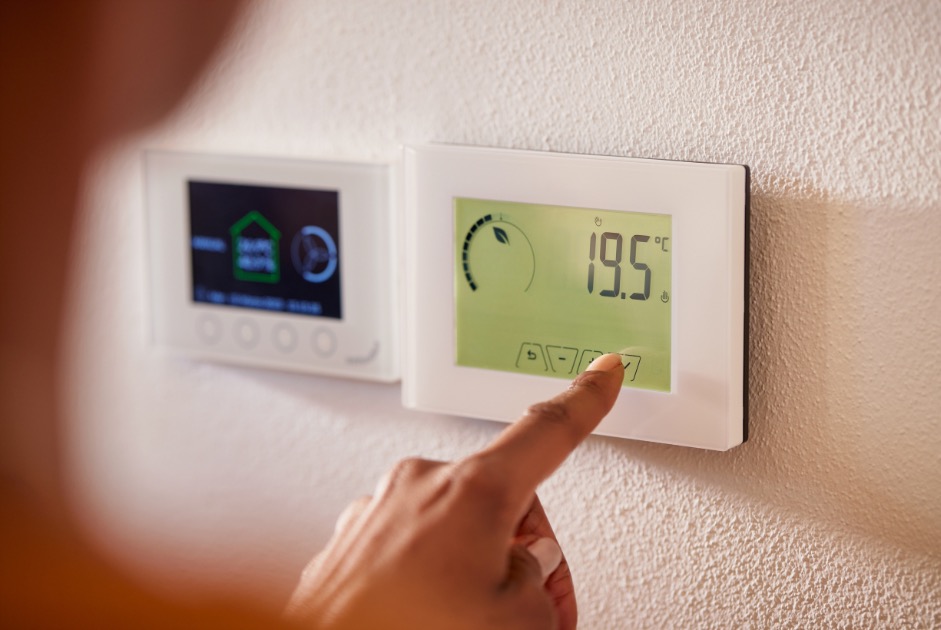
You set the thermostat to 72, but the living room still feels closer to 78. The number on the wall claims one thing while your skin insists on another, and by mid-afternoon you are second-guessing the entire system. If you have ever wondered why my house is hotter than the thermostat says it should be, you are not imagining things. The reading on the display and the comfort you actually feel are two separate measurements, and several ordinary problems can pull them apart, especially in Ventura County homes that face coastal humidity one day and dry inland heat the next.
The good news is that most of these causes are identifiable, and many are fixable. Understanding what the thermostat is really telling you is the first step toward closing the gap between the setpoint and reality.
Key Takeaways
- A thermostat measures air temperature at one fixed spot, not how warm a room actually feels, so radiant heat and humidity often make a space feel hotter than the reading.
- Poor thermostat placement, sun exposure, or a worn sensor can cause a thermostat reading the wrong temperature, leaving the whole system chasing a flawed target.
- Attic heat, weak insulation, and leaky ducts let warmth pour back into rooms faster than the air conditioner can remove it.
- An undersized, low-charged, or aging system shows up as an AC running but house not cooling, particularly during afternoon peaks.
- Room-by-room checks help pinpoint the cause before you call a professional.
What Your Thermostat Actually Measures
A thermostat is a single sensor reading the air temperature at one location, usually a hallway wall about five feet off the ground. It does not measure the warmth radiating off a sun-baked window, the heat trapped near the ceiling, or the moisture in the air that makes a room feel sticky and stifling.
Comfort depends on more than air temperature alone. Radiant heat from walls, ceilings, and direct sunlight raises the “feels-like” temperature even when the air around the thermostat reads 72. Humidity plays a similar trick, because moist air slows the evaporation of sweat and makes the same temperature feel noticeably warmer. So a room can sit at the correct number on the display and still feel several degrees hotter to anyone standing in it.
This is the core reason your house can feel hotter than the thermostat suggests. The device is doing its job at its own location; the rest of the house simply is not matching that one reading.
When the Thermostat Itself Is Reading Wrong
Sometimes the problem is the thermostat itself rather than the air around it. A thermostat reading wrong temperature sends the entire system the wrong instructions, so the air conditioner shuts off too early or never quite catches up.
Common placement and accuracy issues include:
- Sun exposure: A thermostat on a wall that catches afternoon light reads warmer than the rest of the house, which can cause short, confused cooling cycles.
- Drafts and heat sources: Nearby lamps, kitchen appliances, supply vents, or a sunny window skew the reading up or down.
- Wrong wall: A thermostat mounted near an exterior wall or an unconditioned area never represents the living space accurately.
- Aging sensor: Older thermostats drift out of calibration over time and may report a temperature that no longer reflects the room.
If the device is more than a decade old or sits in a poor spot, an upgrade can help. A modern smart thermostat installation places sensing where it belongs and gives you remote control and more precise cycling, which reduces the guesswork around whether the reading can be trusted.
Heat Your Air Conditioner Is Fighting All Day
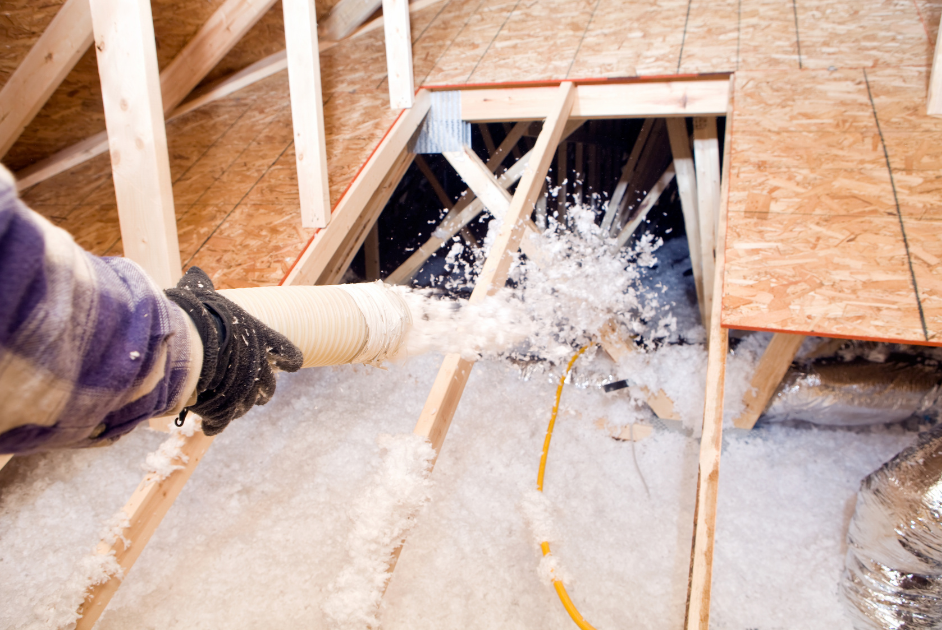
Even a perfectly accurate thermostat cannot help if heat keeps flooding back into your rooms. In Ventura County, the attic is often the biggest culprit. On a hot afternoon an uninsulated attic can climb well past 130 degrees, and that heat radiates down through the ceiling into the rooms below long after the sun has moved.
Weak or thinning insulation lets that heat win the daily battle. When the barrier between the attic and your living space is inadequate, the air conditioner runs and runs while warmth slips back in just as fast. Upgrading or topping off attic insulation is one of the most effective ways to keep cooled air where you want it and stop the ceiling from acting like a radiator.
Not sure where your home stands? A quick attic check can reveal whether insulation gaps, missing baffles, or compressed material are letting heat seep into your rooms. Sun-facing windows and rooms with large glass areas add to the load, which is why a west-facing bedroom can feel hotter than the thermostat reading in the central hallway.
Ductwork and Airflow Problems That Create Uneven Temperatures
If one part of your home is comfortable while another stays warm, the ductwork is a likely suspect. Uneven temperature in a house usually traces back to how cooled air is being delivered, not to the thermostat setting.
Several airflow problems create this mismatch:
- Leaky ducts: Gaps and disconnected joints in attic or crawlspace ducts dump cooled air into unconditioned space before it ever reaches your rooms.
- Undersized or crushed ducts: Restricted runs starve distant rooms of airflow, so the far end of the house lags behind.
- Dirty filters and blocked registers: Reduced airflow weakens cooling everywhere, with the rooms farthest from the unit suffering most.
- Two-story layouts: Heat rises, so the upstairs commonly runs warmer than the downstairs even when both share one thermostat.
Sealing and repairing leaks through professional air duct repair restores the airflow balance and helps every room hit the target. For homes where one or two spaces are stubbornly warm, HVAC zoning lets you direct cooling where it is needed rather than treating the whole house as a single block. Both approaches attack the uneven-temperature problem at its source.
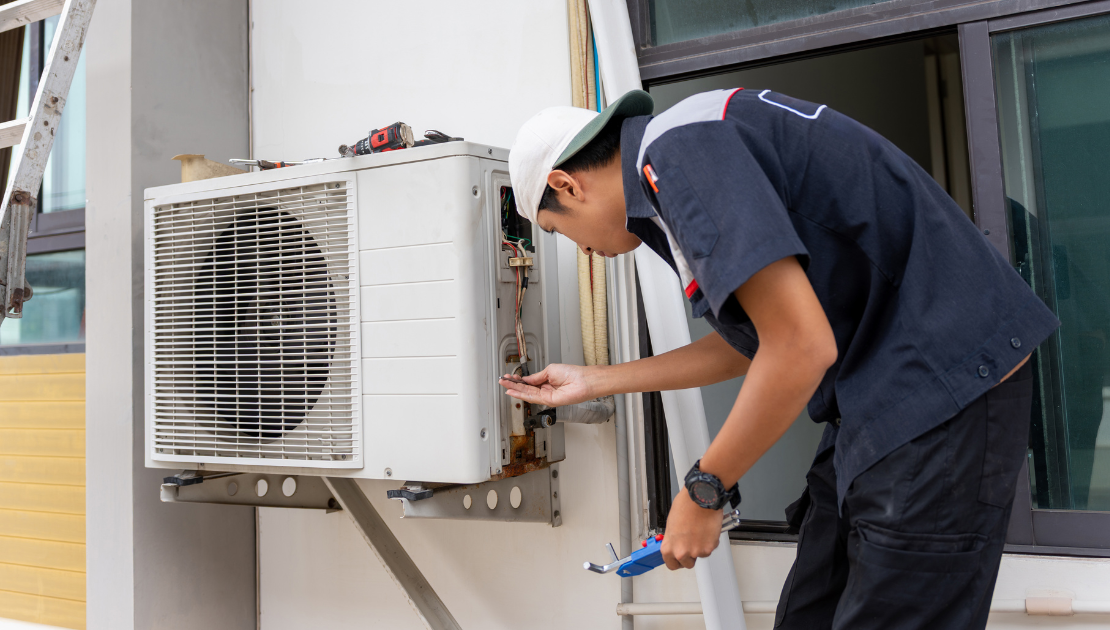
If the thermostat is accurate, the insulation is solid, and the ducts are sound, the equipment itself may simply be unable to keep up. A pattern of “why is my AC not keeping up” during the hottest hours points toward a capacity or mechanical issue.
A few of the usual reasons an AC runs but the house will not cool down:
- Low refrigerant: A leak reduces the system’s ability to absorb heat, so it runs constantly while temperatures creep up.
- An aging compressor or unit: Older systems lose efficiency, and a unit near the end of its service life struggles on peak days.
- An undersized system: A unit that is too small for the square footage can never get ahead, no matter how long it runs. If you suspect this, understanding HVAC sizing and BTUs explains why capacity has to match the home.
- Dirty coils: Caked condenser or evaporator coils choke heat transfer and leave the system gasping.
A professional AC repair and maintenance visit checks refrigerant charge, coil condition, and overall capacity to find out whether your house won’t cool down because of a repairable fault or a system that has reached its limit. For room additions or spaces a central system can never quite reach, a ductless mini-split system adds targeted cooling without new ductwork.
How to Track Down the Real Cause Room by Room
Before you call a technician, a short walkthrough can narrow down the problem and make any service visit faster.
- Compare rooms with a separate thermometer. Place a standalone thermometer next to the thermostat, then in the warm room. A large gap points to airflow, insulation, or sun load rather than a thermostat fault.
- Check the filter. A clogged filter is the most common and easiest fix for weak, uneven cooling.
- Feel the air at the vents. Weak or warm airflow from supply registers suggests duct or system trouble.
- Watch the cycles. A system that runs nonstop yet never reaches the setpoint is falling behind on capacity, charge, or heat load.
- Note the time of day. Rooms that only overheat in the afternoon usually have a sun or attic-heat problem rather than an equipment problem.
These observations help separate a comfort issue you can manage from a mechanical one that needs a professional eye.
Getting the Number and the Feel to Match
The reason your house feels hotter than the thermostat says is rarely a single failure. More often it is a combination of where the thermostat sits, how much heat your attic and windows let in, how well your ducts move air, and how much capacity your system has left. Once you know which of these is dragging your comfort down, the fix becomes clear, and the number on the wall finally starts to match the way each room actually feels.
Frequently Asked Questions
Why does my house feel hotter than the temperature on the thermostat?
A thermostat measures air temperature at one spot, but comfort also depends on radiant heat from sunlit walls and windows plus humidity in the air. Both can make a room feel several degrees warmer than the reading, even when the system is working correctly.
How do I know if my thermostat is reading the wrong temperature?
Set a separate thermometer next to the thermostat and compare the two after an hour. If they disagree by more than a degree or two, the thermostat may be poorly placed, exposed to sun or drafts, or out of calibration and due for an upgrade.
Why is my upstairs hotter than my downstairs?
Heat rises, so second floors naturally run warmer, and attic heat gain makes it worse. Duct imbalances and a single thermostat controlling both levels add to the gap. Sealing ducts, improving insulation, or adding zoning helps even things out.
My AC is running but the house is not cooling. What is wrong?
An AC running but house not cooling usually means low refrigerant, dirty coils, an undersized unit, or duct leaks letting cooled air escape. A maintenance inspection can identify which one is keeping your system from catching up.
Can poor insulation really make my house feel warmer?
Yes. Weak attic insulation lets heat radiate down into your rooms faster than the air conditioner can remove it, so the system runs longer and the space still feels warm. Improving insulation is one of the most effective comfort upgrades for local homes.
When should I call a professional instead of troubleshooting myself?
After checking the filter, vents, and thermostat placement, call a professional if the system runs constantly without cooling, if airflow is weak at the registers, or if certain rooms never reach the setpoint. These point to ductwork or equipment issues that need a trained technician.
Contact Pacific Aire for Comfort That Matches the Setpoint
If your home keeps feeling hotter than the thermostat says no matter how low you set it, the team at Pacific Aire can find out why. Our technicians inspect your thermostat, ductwork, insulation, and cooling system to pinpoint the real cause and restore even, reliable comfort across Ventura County. Call (805) 919-8767 today to schedule your service and get the number on the wall and the feel of your rooms back in sync.
About Pacific Aire Home Services
Serving Ventura County since 1990, Pacific Aire Home Services is a family-owned heating, cooling, and home comfort company that understands the region’s coastal humidity and inland heat. Our trained technicians diagnose comfort problems at the source, from thermostat placement and duct leaks to insulation and aging equipment, so your home stays comfortable in every season. Homeowners across Ventura, Santa Barbara, and Los Angeles counties trust our local expertise and commitment to doing the job right.