

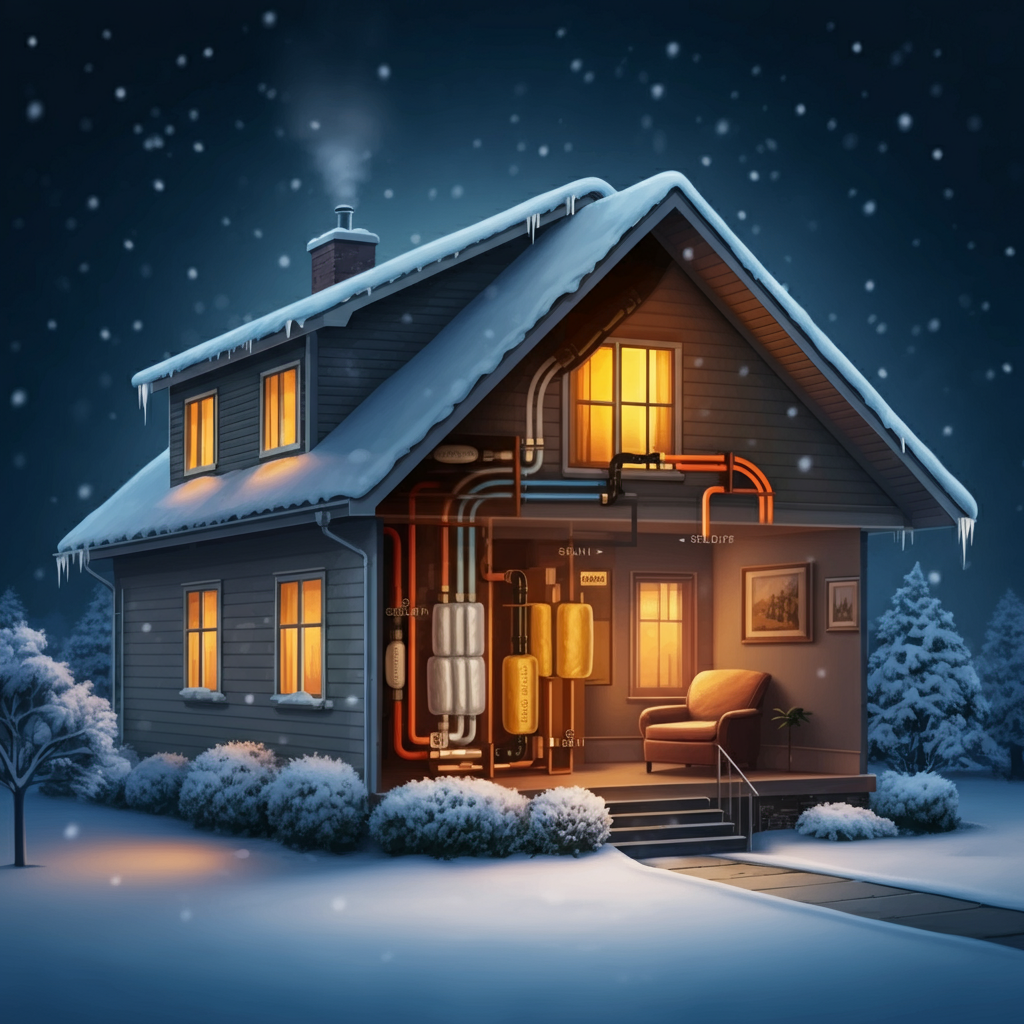
When temperatures begin to drop, many homeowners focus on heating systems and insulation inside the home. However, one important task is often overlooked: winterization of outdoor pipes. Exposed plumbing is especially vulnerable to cold weather, and frozen pipes can quickly lead to cracks, bursts, and expensive water damage.
At Pacific Aire, homeowners throughout Santa Barbara, Ventura, Thousand Oaks, Malibu, Santa Monica, and Ojai often ask how to properly prepare their homes before colder temperatures arrive. Even in coastal California, sudden cold snaps can cause outdoor plumbing to freeze if it isn’t properly protected.
When water freezes inside a pipe, it expands and places pressure on the pipe walls. This pressure can cause pipes to split or burst once temperatures rise. Fortunately, there are several simple steps homeowners can take to protect exposed plumbing and prevent costly winter plumbing issues.
By using winter pipe insulation, pipe covers for winter, and pipe heaters for winter, you can significantly reduce the risk of freezing pipes and keep your home protected throughout the colder months.
How Do You Winterize Outdoor Pipes?
The best way to complete the winterization of outdoor pipes is to install winter pipe insulation, add pipe covers for winter to outdoor faucets, and use pipe heaters for winter in areas exposed to extreme cold. These steps help prevent pipes from freezing, reduce the risk of bursts, and provide reliable water pipe winter protection throughout the colder months.
Homeowners across the Pacific Aire service area, including Santa Barbara and surrounding coastal communities, can greatly reduce plumbing risks by taking these preventative steps before winter weather arrives.
Why Winterization of Outdoor Pipes Is Important
Outdoor plumbing is more exposed to the elements than pipes located inside your home. Pipes running along exterior walls, in crawl spaces, garages, or outdoor spigots can freeze quickly when temperatures drop.
Without proper protection, frozen pipes can lead to:
- Burst pipes and water leaks
- Structural water damage inside walls or ceilings
- Reduced water pressure or blocked pipes
- Emergency repairs during the coldest time of year
At Pacific Aire, homeowners throughout Santa Barbara, Ventura, Thousand Oaks, Malibu, Santa Monica, and Ojai frequently seek advice on protecting their homes from seasonal temperature changes. Taking the time to complete proper winterization of outdoor pipes helps prevent these issues and keeps your home safe throughout winter.
Insulating Pipes for Winter
One of the most effective ways to protect plumbing is to insulate pipes for winter. Insulation helps retain heat inside the pipe and shields it from cold temperatures that could cause freezing.
Winter pipe insulation commonly comes in foam sleeves or fiberglass wraps that easily fit around exposed plumbing. These materials act as a barrier that slows heat loss and protects pipes located in colder environments.
When insulating pipes, focus on areas such as outdoor plumbing lines, pipes located along exterior walls, plumbing in garages, crawl spaces, and basements, and pipes near windows or poorly insulated walls.
Many homeowners in Santa Barbara and Ventura County install insulation as part of seasonal home maintenance to help ensure reliable plumbing during colder months.
Adding insulation to vulnerable pipes is a simple and affordable way to improve water pipe winter protection and prevent freezing during cold weather.
Pipe Covers for Outdoor Faucets
Outdoor faucets are among the most vulnerable parts of your plumbing system during winter. Installing pipe covers for winter is an easy and affordable way to protect these fixtures.
An outside pipe cover for winter usually contains foam insulation inside a protective shell that helps block cold air and trap heat around the faucet.
Before installing a cover, homeowners should:
- Disconnect and drain garden hoses
- Turn off the interior shutoff valve if available
- Drain any remaining water from the faucet
- Secure the insulated faucet cover over the fixture
Homeowners throughout Malibu, Santa Monica, Thousand Oaks, and Ojai often install faucet covers as part of their winter preparation routine.
These covers are inexpensive and can significantly reduce the chance of frozen pipes during sudden cold snaps.
Pipe Heaters for Winter Protection
In areas where temperatures drop significantly, insulation alone may not provide enough protection. Installing pipe heaters for winter can provide additional defense against freezing pipes.
Pipe heaters—often called heat tape or heating cables—wrap around exposed plumbing and generate gentle warmth to prevent water from freezing inside the pipe.
These systems are especially helpful for pipes located in crawl spaces, exterior walls, outdoor plumbing lines, garages, or utility rooms.
When used alongside winter pipe insulation, pipe heaters provide an extra layer of water pipe winter protection during extremely cold temperatures.
Homeowners who want guidance selecting the right protection methods often consult professionals like the team at Pacific Aire, who regularly assist homeowners across the region.
Seal Gaps Around Pipes and Exterior Walls
Cold air entering your home can increase the risk of frozen pipes. Small gaps around plumbing openings, windows, doors, or foundation walls allow freezing air to reach exposed pipes.
Sealing these gaps helps maintain warmer temperatures around plumbing lines.
Homeowners can improve pipe protection by using caulk or spray foam to seal cracks around pipes, closing crawl space vents during winter, insulating areas around plumbing entry points, and keeping garage doors closed during cold weather.
These small improvements help protect pipes from cold drafts and improve overall winter protection.
Let Faucets Drip During Extreme Cold
During severe cold weather, allowing faucets to drip slightly can help prevent pipes from freezing.
Moving water freezes more slowly than still water. Even a small drip can help reduce pressure buildup inside pipes and lower the risk of pipe bursts.
This method works best for faucets connected to plumbing located along exterior walls or in unheated areas of the home.
Warning Signs of Frozen Pipes
Even with proper winterization of outdoor pipes, it’s important to recognize signs that pipes may be freezing.
Common warning signs include reduced water pressure, frost forming on exposed pipes, unusual smells coming from faucets or drains, and strange noises from plumbing lines.
If you suspect a frozen pipe, turn on the faucet connected to the pipe and gently warm the pipe using a hair dryer or heating pad. Never use an open flame.
If a pipe bursts, immediately shut off the main water supply and contact a professional for assistance.
Common Mistakes When Winterizing Outdoor Pipes
Even homeowners who take steps to protect their plumbing can still experience frozen pipes if key details are overlooked.
One common mistake is forgetting to disconnect garden hoses. Leaving hoses attached to outdoor faucets can trap water inside the pipe, which may freeze and cause damage.
Another mistake is skipping outdoor faucet covers. Installing pipe covers for winter is a simple step that helps prevent freezing during sudden cold snaps.
Failing to install winter pipe insulation on exposed pipes is another common issue. Pipes located in garages, crawl spaces, and along exterior walls are especially vulnerable without proper insulation.
Ignoring small air leaks around pipes and walls can also allow cold air to reach plumbing lines. Sealing these gaps improves water pipe winter protection.
Finally, many homeowners wait until the first freeze warning before preparing their plumbing. The best time to complete insulating pipes for winter and installing protection is before temperatures begin dropping in late fall.
Winter Pipe Protection for Santa Barbara Area Homes
While freezing temperatures are less common along the California coast, sudden cold snaps can still put outdoor plumbing at risk.
Homes throughout Santa Barbara, Ventura, Thousand Oaks, Malibu, Santa Monica, and Ojai may experience overnight temperature drops that affect exposed pipes. Taking proactive steps early helps prevent plumbing issues before winter weather arrives.
Protect Your Home Before Winter Arrives
Preparing your home before colder weather arrives can help prevent expensive plumbing damage and unnecessary repairs. Solutions like insulating pipes for winter, installing pipe covers for winter, and using pipe heaters for winter can go a long way in protecting your plumbing system.
Proper winterization of outdoor pipes helps safeguard your home from winter weather and ensures your plumbing continues working reliably throughout the season.
Homeowners throughout Santa Barbara, Ventura, Thousand Oaks, Malibu, Santa Monica, and Ojai trust Pacific Aire for reliable home comfort solutions and professional guidance.
About Pacific Aire
Pacific Aire is a trusted home comfort provider serving homeowners throughout Santa Barbara, Ventura, Thousand Oaks, Malibu, Santa Monica, and Ojai. With years of experience helping residents maintain comfortable and efficient homes, the Pacific Aire team focuses on reliable service, expert guidance, and long-term solutions that keep homes running smoothly throughout the year.
Visit Pacific Aire to learn more about their services and schedule an appointment with a trusted local team today.