
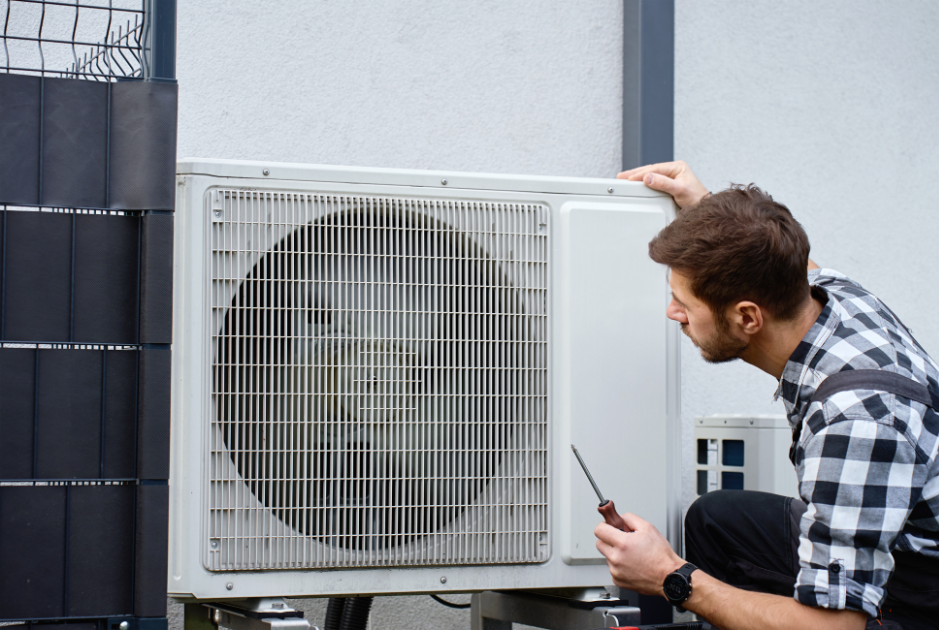
Every time a homeowner in Ventura County shops for a new air conditioner, they encounter the same acronym on the label: SEER. Most people skip past it and focus on brand name or air conditioning installation cost. That is a mistake that often leads to higher energy bills for years to come. Understanding what a SEER rating means, how it has recently changed with the introduction of SEER2, and what number makes sense for a home in Southern California can have a meaningful impact on monthly comfort and utility costs.
Key Takeaways
- SEER stands for Seasonal Energy Efficiency Ratio and measures how efficiently an air conditioner uses electricity over a full cooling season.
- As of January 1, 2023, the Department of Energy replaced SEER with SEER2, a stricter test standard. New AC equipment sold in the Southwest must meet a minimum 14.3 SEER2 (previously 14 SEER).
- Higher SEER2 ratings indicate greater efficiency, which generally means lower electricity bills during warm months.
- Ventura County’s coastal and inland climate variations make mid-to-high efficiency systems (16-20 SEER2) a practical choice for most households.
- Regular cooling maintenance and repair preserves your system’s rated efficiency over time.
What Does SEER Stand For?
SEER stands for Seasonal Energy Efficiency Ratio. It measures the total cooling output of an air conditioner during a typical cooling season divided by the total electrical energy it consumes during that same period. Think of it like miles per gallon for a car: the higher the number, the more cooling you get for each unit of electricity used.
For example, a system rated at 16 SEER produces 16 BTUs of cooling per watt-hour of electricity consumed. A 12 SEER system running the same hours uses significantly more power to deliver the same indoor temperature. That difference shows up directly on a utility bill each month from May through October, which is prime cooling season for most of Ventura County.
The rating is calculated under standardized laboratory conditions: an outdoor temperature of 82°F, an indoor temperature of 80°F, and a humidity level of 50%. Because real-world conditions vary, the SEER rating is an efficiency benchmark rather than a guarantee of exact savings. Still, it remains the most reliable way to compare one air conditioning unit to another before purchase.
SEER vs. SEER2: Understanding the 2023 Standard Change
In January 2023, the U.S. Department of Energy updated its minimum efficiency standards and introduced a new test method called SEER2. The original SEER rating was calculated using a duct system with 5% external static pressure. SEER2 uses 150% of that pressure, which more accurately reflects the real-world resistance inside most home duct systems. As a result, SEER2 ratings run slightly lower than their SEER equivalents for the same physical unit.
To convert between the two: a 14 SEER system is roughly equivalent to a 13.4 SEER2 system. The new federal minimum for the Southwest region (which includes California) is 14.3 SEER2. Any new residential central air conditioning system sold in Ventura County today must meet or exceed this threshold.
When comparing quotes or shopping for new equipment, always confirm whether a spec sheet is referencing SEER or SEER2. Mixing the two values without context leads to inaccurate efficiency comparisons. A contractor who quotes “14 SEER” on a new unit is describing an older standard that no longer applies to equipment manufactured after January 2023.
SEER2 Rating Ranges at a Glance
The table below summarizes common SEER2 ranges, what each means in practice, and which Ventura County homeowners typically benefit from each tier.
| SEER2 Rating | Efficiency Level | Best For | Typical Use Case |
|---|---|---|---|
| 14.3 SEER2 | Standard / Minimum | Budget-conscious replacement | Mild climates, low usage |
| 16 SEER2 | Mid-Efficiency | Balanced cost vs. savings | Most Ventura County homes |
| 18-20 SEER2 | High Efficiency | Significant long-term savings | Frequent AC use, larger homes |
| 21+ SEER2 | Ultra-High Efficiency | Maximum savings potential | Hot climates, premium installs |
Most homes in the Ventura area are well served by systems in the 16-18 SEER2 range, where the jump in efficiency from the minimum is meaningful enough to reduce bills without pushing into diminishing-returns territory. For homes with frequent hot spells in inland areas like Thousand Oaks or Simi Valley, higher-rated units can accelerate the payback period considerably.
Why SEER Matters Specifically for Ventura County Homeowners
Ventura County’s climate is not uniform. Coastal communities such as Ventura, Oxnard, and Port Hueneme enjoy moderate temperatures with marine influence, while inland areas experience more pronounced summer heat. A home in Camarillo may run its air conditioner considerably more hours per year than a home a few miles west in Oxnard. That difference in runtime is where SEER rating becomes a dollars-and-cents conversation rather than a theoretical one.
California has some of the most stringent efficiency standards in the country, and those requirements affect which systems qualify for utility rebates. Southern California Edison and other regional utilities periodically offer incentives tied to equipment efficiency ratings. A system rated 16 SEER2 or higher often qualifies for these programs, effectively lowering the upfront cost of a higher-efficiency unit.
Southern California’s electricity rates are also among the highest in the nation. When an air conditioner runs for hundreds of hours between late spring and early fall, a few additional SEER2 points translate directly into household savings. Homeowners who are on the fence between a standard-efficiency and mid-efficiency unit often find that the math favors spending a bit more upfront. For a deeper look at strategies beyond the equipment rating itself, the guide on maximizing energy efficiency in your air conditioning system covers complementary steps that compound your system’s rated performance.
How SEER Rating Applies to Heat Pumps and Mini-Splits
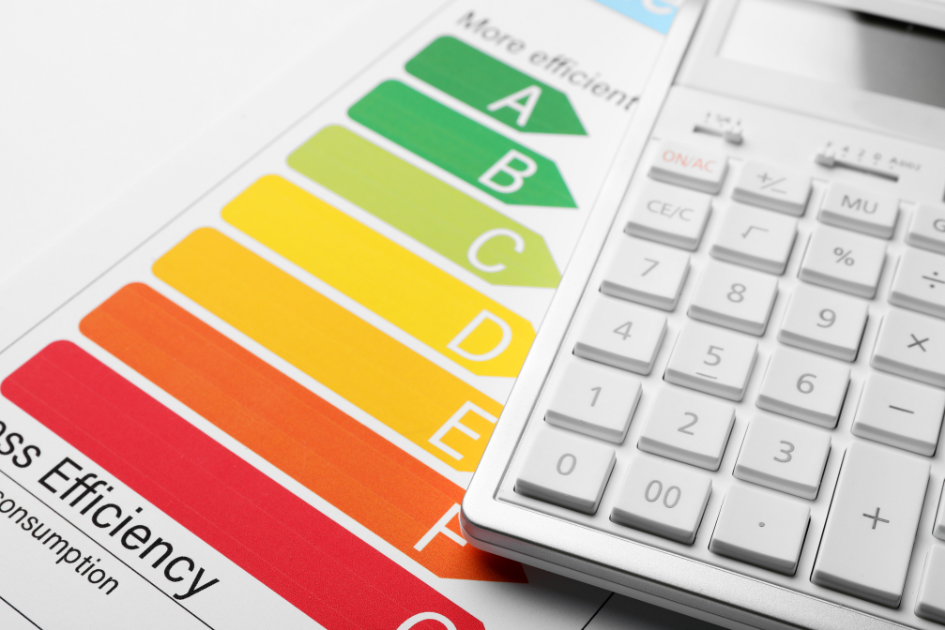
SEER and SEER2 ratings apply not only to traditional split-system central air conditioners but also to heat pumps and ductless mini-split systems. Heat pumps, which provide both heating and cooling from a single unit, are assigned both a SEER2 rating for cooling and an HSPF2 rating for heating efficiency. Homeowners exploring heat pump installation should review both ratings to get a complete picture of year-round operating costs.
Ductless mini-splits frequently achieve very high SEER2 ratings, often in the 20-28 range, because they eliminate duct losses that rob traditional systems of 20-30% of their efficiency. If a portion of a home lacks existing ductwork or a specific zone needs targeted cooling, a high-SEER2 mini-split can deliver dramatic energy savings compared to extending central duct systems. The efficiency advantage is especially relevant in older Ventura County homes where aging ductwork has never been sealed or upgraded.
Does a Higher SEER Rating Always Mean Lower Bills?
Not automatically. The rated efficiency is only one part of the energy equation. A high-SEER2 system that is oversized for the home will short-cycle, meaning it will turn on and off rapidly rather than running long, steady cycles. Short cycling reduces dehumidification, stresses the compressor, and can actually raise energy costs despite the impressive rating on the specification sheet.
Duct condition is another variable. A system rated at 18 SEER2 pushing conditioned air through leaky or poorly insulated ducts may deliver real-world performance closer to a 12 SEER2 unit. An energy audit or duct evaluation before selecting equipment gives homeowners accurate data to work with.
Thermostat behavior also plays a significant role. Even the most efficient system wastes energy if the thermostat settings are not optimized for the home’s occupancy patterns. Pairing a high-SEER2 unit with smart thermostat installation allows the system to modulate operation based on real-time conditions, maximizing the efficiency that the equipment is rated to deliver.
Maintaining SEER Efficiency Over Time
An air conditioner’s real-world efficiency degrades over time without proper upkeep. A dirty evaporator coil reduces heat transfer. Low refrigerant levels force the system to work harder to produce the same cooling output. A clogged air filter restricts airflow and causes the unit to run longer cycles. Each of these issues cuts into the SEER2 performance the unit was rated to achieve when it left the factory.
Annual preventive maintenance, ideally before the cooling season begins, addresses all of these degradation points. A tune-up typically includes coil cleaning, refrigerant level verification, electrical connection inspection, and airflow measurement. Homeowners enrolled in the Elite Club Membership maintenance plan receive two annual tune-ups with filter changes, helping ensure the system consistently performs at its rated efficiency rather than sliding toward the lower end of its range.
For homeowners wondering whether their current system is still performing adequately or whether a new high-SEER2 unit makes financial sense, the resource on how to decide whether to repair or replace your HVAC system provides a structured framework for that decision.
SEER Ratings and Energy Star Certification
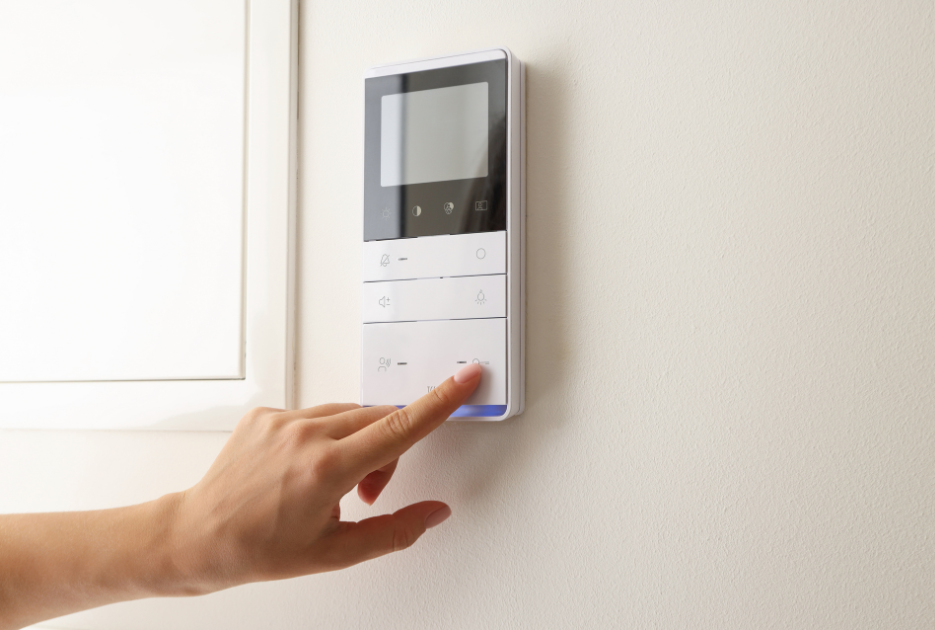
Many homeowners come across the Energy Star label when shopping for new HVAC equipment and wonder how it relates to SEER2. Energy Star certification requires a system to exceed the federal minimum efficiency standard by a defined margin. For central air conditioners and heat pumps in the Southwest, Energy Star currently requires at least 15.2 SEER2. Earning the Energy Star label means a unit has been independently verified to outperform the baseline standard.
While SEER2 tells you exactly how efficient a system is on a numerical scale, the Energy Star badge functions as a pass/fail quality marker at a known efficiency threshold. Understanding both helps homeowners interpret what they see on equipment labels and utility rebate program eligibility charts. For a full breakdown of how that certification works, the blog post on what is an Energy Star rating covers the details.
Frequently Asked Questions About SEER Ratings
What is a good SEER rating for a home in Ventura County?
For most households in Ventura County, a system rated between 16 and 18 SEER2 offers a practical balance between upfront cost and long-term efficiency. Homeowners in hotter inland areas or those who run their systems heavily through summer may see a faster payback on 18-20 SEER2 units. Coastal homes with moderate cooling demand often find a 15-16 SEER2 system sufficient.
Is SEER2 the same as SEER?
No. SEER2 uses a stricter test standard that more accurately reflects real-world duct conditions. A SEER2 rating runs approximately 4.5% lower than its SEER equivalent for the same unit. The minimum efficiency standard for new AC equipment in California is now expressed in SEER2, not SEER.
Does a higher SEER2 rating mean a more expensive unit?
Generally, yes. Higher SEER2 ratings are associated with variable-speed compressors and advanced components that cost more to manufacture. However, the higher upfront cost is often offset by lower operating costs over the life of the equipment. California utility rebates for high-efficiency equipment can also reduce the net purchase price.
Can I compare the SEER rating of my old unit to a new SEER2 unit?
With an adjustment. To compare a legacy SEER rating to a modern SEER2 rating, multiply the old SEER number by approximately 0.95 to get a rough SEER2 equivalent. A 15 SEER system is roughly comparable to a 14.3 SEER2 system in real-world performance terms.
Will a high-SEER2 AC unit fix my high electricity bills on its own?
Equipment efficiency is one factor in energy costs, but not the only one. Duct condition, insulation levels, thermostat programming, and proper system sizing all influence actual electricity consumption. A comprehensive home comfort assessment before installation ensures the new unit’s rated efficiency translates into real savings.
How do I find out the SEER2 rating of my current system?
The efficiency rating is printed on the yellow EnergyGuide label attached to the outdoor condenser unit. It may also appear in the owner’s manual or on the unit’s model number plate. If the label is missing or the unit was installed before 2023, a qualified technician can identify the original rating from the model number.
Does SEER2 apply to ductless mini-split systems?
Yes. Ductless mini-splits carry a SEER2 rating for their cooling performance. Because they eliminate duct losses, mini-splits frequently achieve SEER2 ratings well above 20, making them among the most efficient cooling options available for targeted or zone-specific applications.
Schedule a Free System Evaluation in Ventura County
Not sure which SEER2 rating makes sense for your home, or wondering whether your current system is operating at its rated efficiency? The comfort advisors at Pacific Aire Home Services serve homeowners throughout Ventura County with honest, no-pressure consultations. Call (805) 919-8767 to schedule a free evaluation at a time that works for you.
About Pacific Aire Home Services
Pacific Aire Home Services has served homeowners throughout Ventura County, Santa Barbara, and the greater Los Angeles area with expert heating, cooling, and indoor air quality solutions for decades. From standard-efficiency replacements to ultra-high SEER2 premium installs, the certified technicians at Pacific Aire size, install, and maintain every system with attention to the performance homeowners actually experience, not just what the specification sheet promises. Call (805) 919-8767 to speak with a local comfort expert today.