

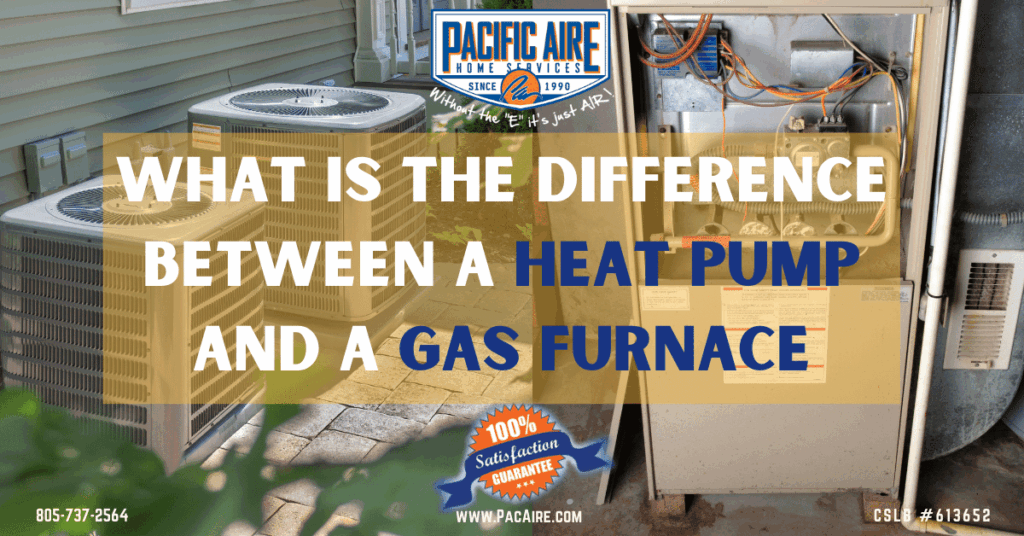
When homeowners start looking into a new heating system, one of the most common comparisons is a heat pump vs gas furnace. Both systems are designed to heat your home efficiently, but they work in very different ways and offer unique advantages depending on your climate, energy costs, and comfort preferences. Understanding how each system operates — along with differences in efficiency, installation, and long-term operating costs — can help you choose the best option when planning an HVAC upgrade. Below, we break down the key differences between heat pumps and gas furnaces so you can make an informed decision for your home.
How a Heat Pump Works
A heat pump heats your home by transferring heat instead of generating it through combustion. During the winter, the system pulls heat from the outdoor air and moves it indoors using refrigerant and a compressor. Even when outdoor temperatures are cool, there is still heat energy available that the system can capture and redistribute inside the home.
One major advantage of heat pumps is that they provide both heating and cooling in one system. In the summer, the process reverses, and the system works like a traditional air conditioner by removing heat from inside the home and releasing it outdoors.
Because heat pumps move heat rather than produce it, they are considered one of the most energy-efficient home heating systems available. This efficiency can help reduce energy consumption and lower utility bills in many climates.
How a Gas Furnace Works
A gas furnace creates heat through the combustion of natural gas or propane. When the thermostat signals for heat, the furnace ignites fuel in a burner. The heat produced warms a heat exchanger, and a blower fan pushes warm air through your home’s ductwork to raise the indoor temperature.
Gas furnaces are known for their powerful heating capability, which allows them to quickly warm a home even during very cold weather. Because they generate heat directly rather than transferring it, they can deliver strong and consistent heating performance when outdoor temperatures drop significantly.
Unlike heat pumps, however, furnaces only provide heating. Homes with a furnace typically need a separate air conditioning system for cooling during the summer months.
Key Differences Between Heat Pumps and Gas Furnaces
While both systems can effectively heat a home, there are several important differences homeowners should consider.
Energy Efficiency
Heat pumps are generally more energy efficient because they transfer heat instead of burning fuel. This can result in lower energy consumption in moderate climates.
Heating Performance
Gas furnaces typically produce stronger heat output, making them a reliable choice for colder regions where winter temperatures regularly drop below freezing.
Installation and Equipment
Heat pumps provide heating and cooling in a single system. A furnace requires an additional air conditioner for cooling.
Operating Costs
Energy costs vary depending on local electricity and natural gas prices. In some areas, heat pumps may offer lower monthly energy costs due to their efficiency.
Which Heating System Is Best for Your Home?
The best heating system depends on your home, your comfort preferences, and the climate where you live.
A heat pump may be a great option if you:
- Live in a moderate or warm climate
- Want an energy-efficient heating and cooling system
- Prefer a single system that handles both heating and air conditioning
A gas furnace may be a better fit if you:
- Experience colder winter temperatures
- Need strong, fast heating performance
- Already have a central air conditioning system installed
In some homes, HVAC professionals recommend a dual-fuel or hybrid system that combines a heat pump with a furnace. This setup allows the heat pump to handle mild temperatures efficiently while the furnace provides additional heating power during colder weather.
If you’re considering a heat pump installation or furnace replacement, working with a qualified HVAC professional can help ensure you choose the best system for your home’s comfort, efficiency, and long-term energy savings.